
Resources (Material): BAMBOO
HOME / Resources / Our Materials / Bamboo
What is BAMBOO?
Bamboo is a widely varied grass predominantly found in the tropics and Asia. Most bamboo is characterized by a hollow culm (ie: main stalk) with solid nodes and internodes and a robust vascular system that creates an internal structure that is optimized for growth, strength, and flexibility.
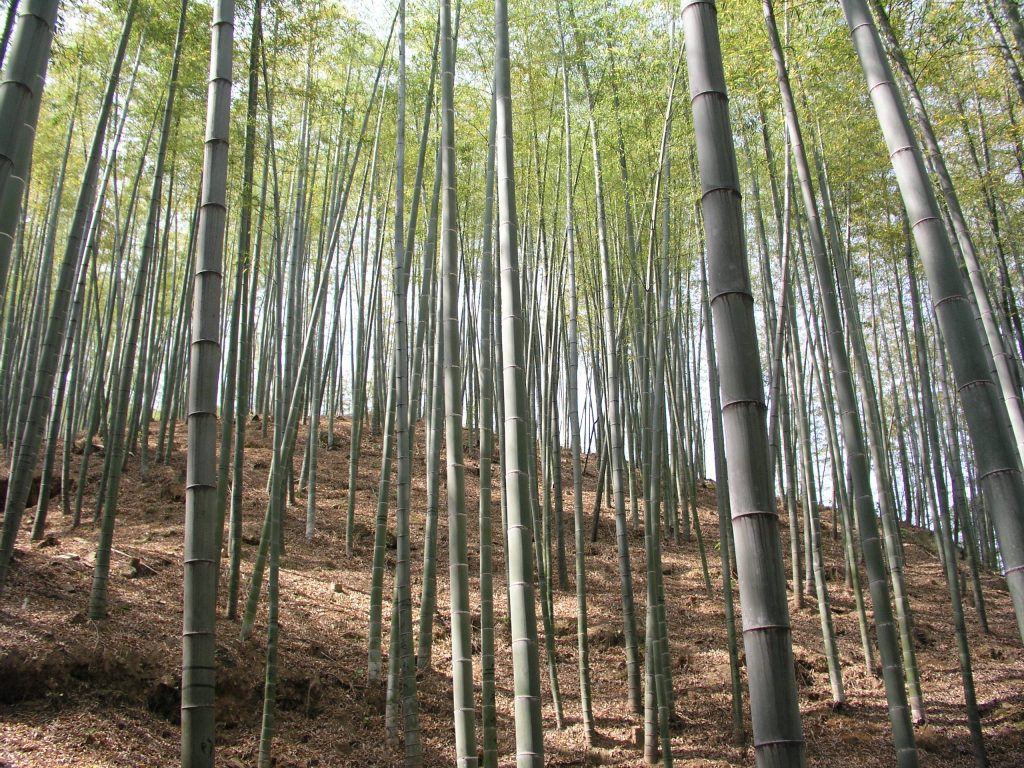
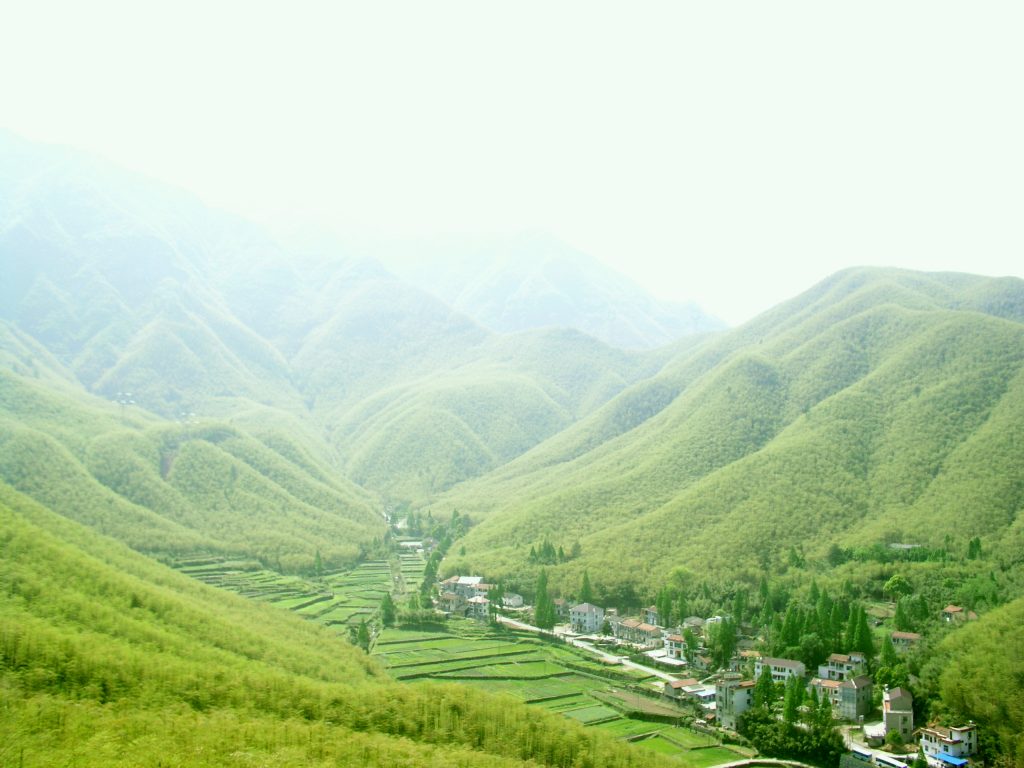
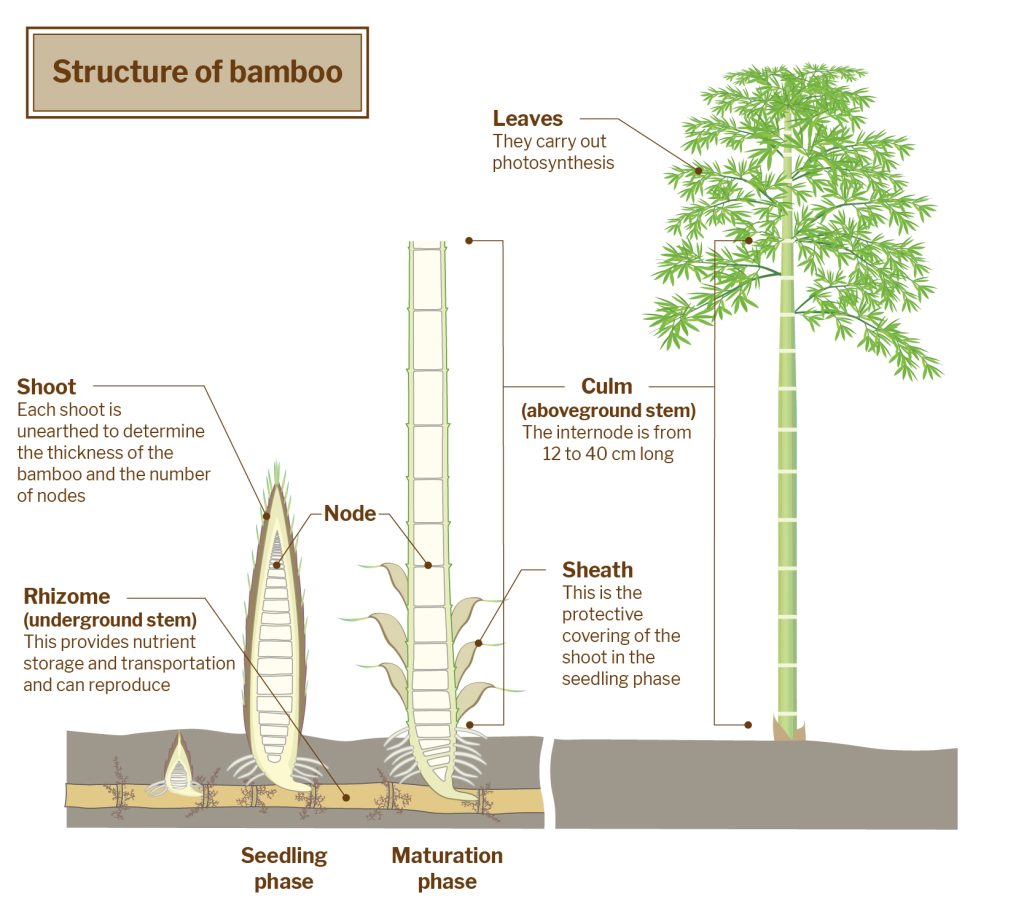
In total there are over 100 species of bamboo. The cellular structure of bamboo is characterized by a hollow culm with solid nodes and internodes, and a robust vascular system encased within highly lignified cell walls. The culm is the main stem or stalk, and the internodal sections are typically hollow, forming a cylindrical tube. These nodes provide structural reinforcement and are also where branches and leaves emerge. The nodes are crucial for the growth and development of the bamboo plant, as they are where the new growth emerges. The nodes can be identified by their distinct rings or segments along the culm, and they play a vital role in the overall health and functionality of the bamboo. The outer surface of the culm is covered by a protective epidermal layer. The internal structure is a marvel of biological engineering, optimized for rapid growth, strength, and flexibility. The cell walls are primarily composed of cellulose microfibrils embedded in a matrix of hemicellulose and lignin, providing rigidity and compressive strength. The vascular bundles are scattered throughout the culm wall, particularly denser towards the periphery, and are surrounded by a sheath of sclerenchyma cells, which are thick-walled, lignified cells providing additional mechanical support.
How does BAMBOO grow?
- Rhizomal movement allows for continual spreading growth (no planting needed)
- Grows on steep slopes where many other species typically can’t grow
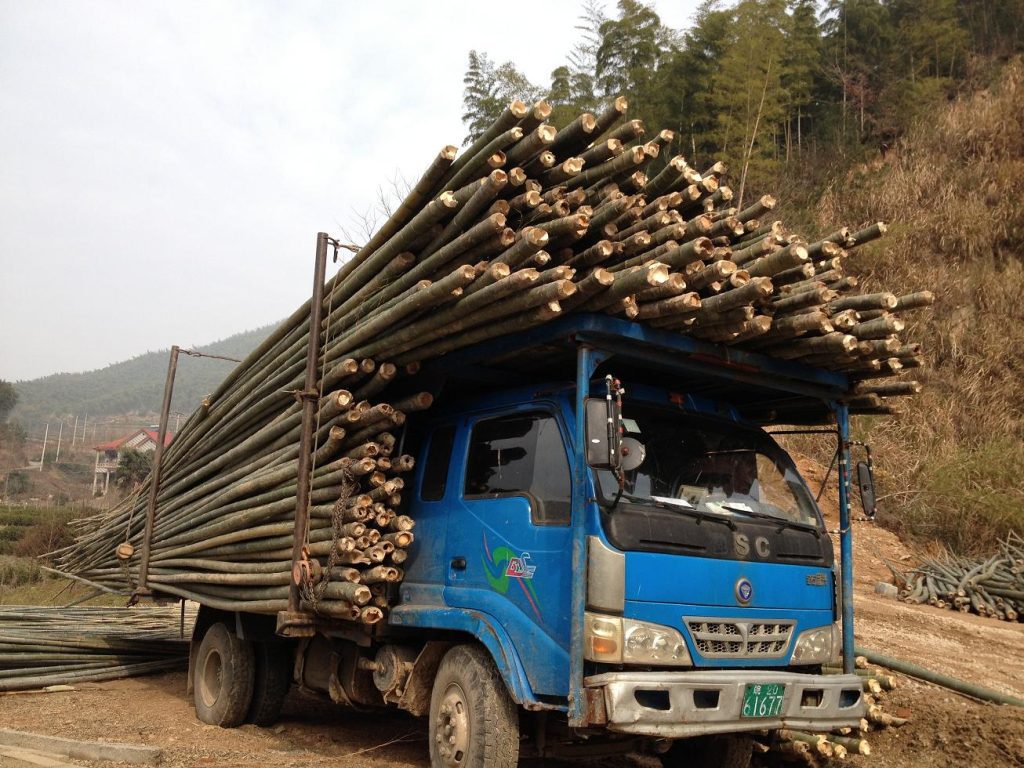
- Hand-harvested every 5-6 years
Bamboo’s rhizomal growth is a remarkable process that allows it to spread rapidly and adapt to various environments. The rhizomes, which are the specialized horizontal or vertical stems that grow underground, serve multiple functions, including nutrient storage, vegetative propagation, and the expansion patterns and survival of the bamboo plant. There are two primary types of rhizome growth patterns: monopodial (running or invaders) and sympodial (clumping or non-invaders). Monopodial rhizomes, like those of Bambusa vulgaris, spread outwards and can extend several feet away from the parent plant, facilitating its propagation over larger distances. Sympodial rhizomes, such as those of Bambusa tulda, expand vertically while staying close to the original plant, leading to dense and compact growth. These growth patterns are crucial for understanding bamboo’s ability to grow and spread faster than any other plant in the world
The hardy giant bamboos used to create the bamboo products we work with can grow up to 12” in diameter and can grow to a height of 60’ in a couple months, before it is left to internally mature and harden. Harvesting occurs on average every 5-6 years, where it is cut and pulled from the forest. It has over 25 times the yield (weight per acre/ per year) of wood/timber. One hectacre of bamboo can yield between 22-44 metric tons of material. Since bamboo is propagated through rhizomes (its’ root system), it begins to grow immediately after harvesting, without the need for planting to regenerate, and no pesticides are needed throughout the process.
What makes BAMBOO, as a raw material, unique?
- Tremendous growth rate
- Hardy species provide a tremendous weight to strength ratio (outperforming steel)
- Considered a ‘circular material’ (where all parts of the product is used)
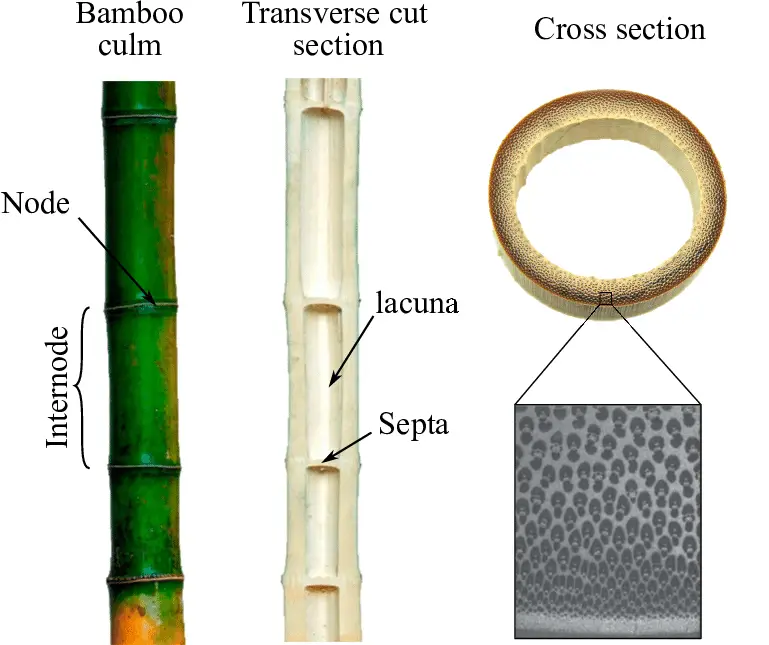
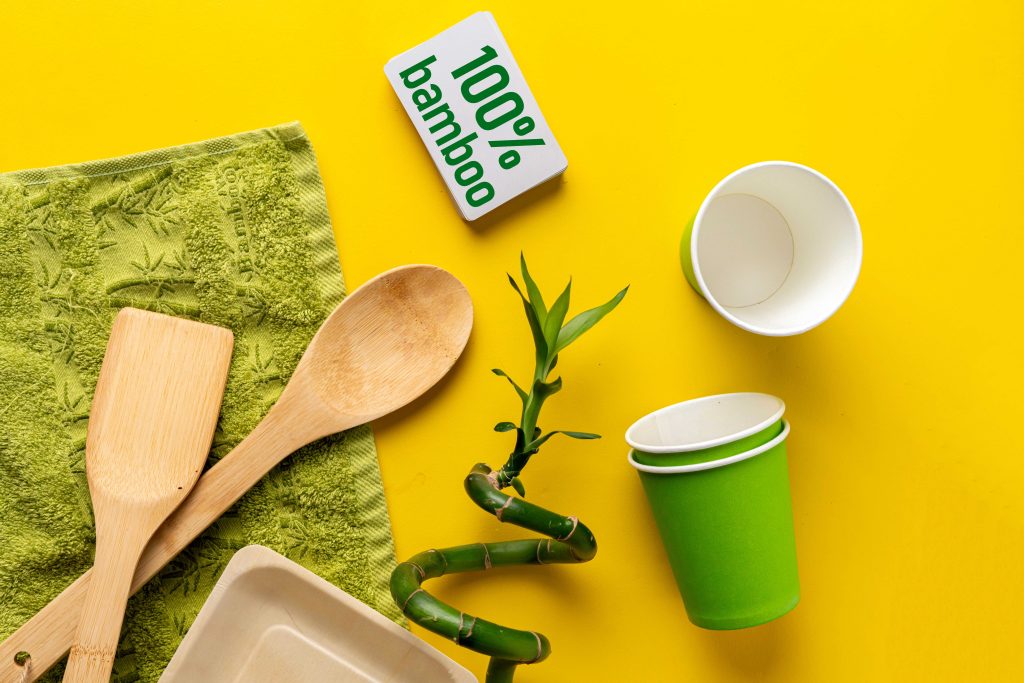
The unique thing about bamboo is it’s growth cycle (ie: how fast it grows), the fact that it grows on land that is typical inhospitable to other species (steep slopes), and literally ‘all’ of the material harvested can be used (food, construction materials, textile/clothing, paper/packaging, decorative items, as a renewable fuel, etc.). Our focus, being construction materials, we use the main stalk, which are sinewy cellulose fibers encased in lignin. These open cells run parallel through the entire length of the stalk like channels, carrying water from roots to leaves, which leads to it tremendous growth.
How is BAMBOO processed?
- Cut into strips
- Strips are de-noded and planed
- Strips are glued together to form the building blocks we use for our products
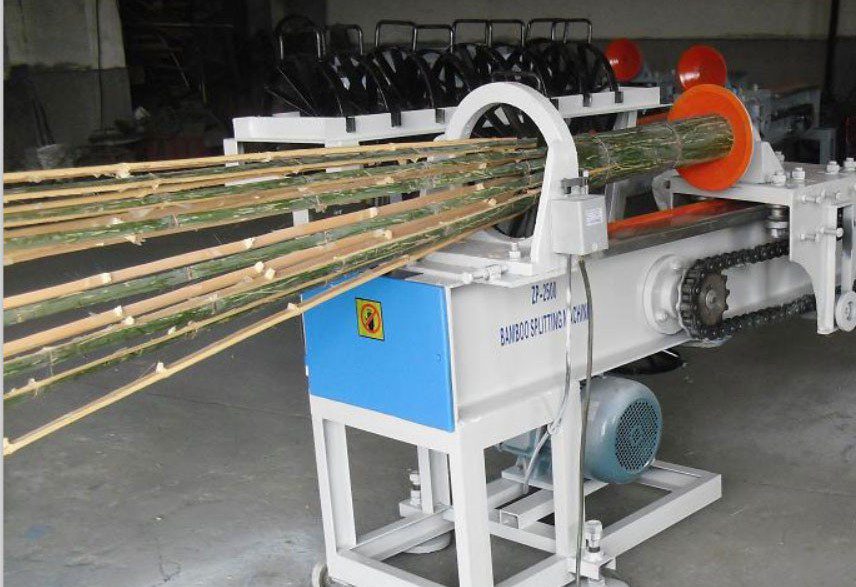
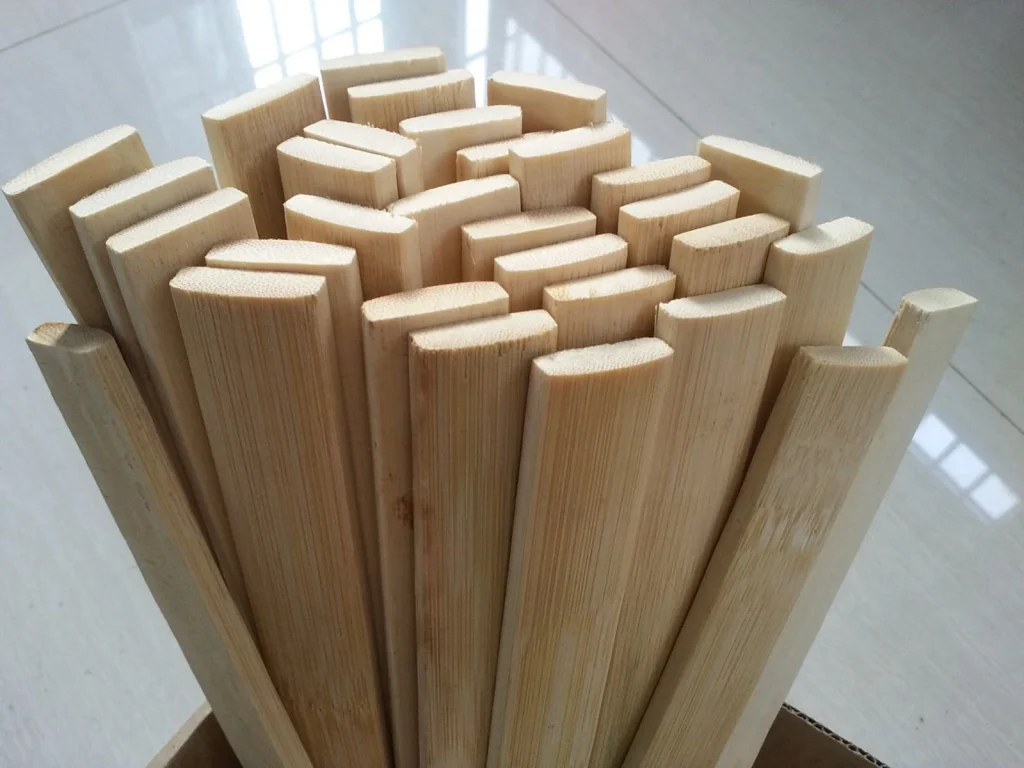
Once the bamboo pole is cut, it is left to dry, before it is mechanically split into long curved strips (visualize cutting a pizza into 20+ triangular slices, and the little strips of ‘pizza crust’ are the long-curved strips of bamboo). These strip sections are de-skinned, which removes both the impermeable waxy outer skin, and the softer interior side, before being ‘planed’ into long rectangular strips, which are the building blocks of all our bamboo construction products. After a secondary drying process, these strips get laminated (glued) together with low-VOC (E0) adhesives to effectively form a solid block (or slab of strips). Depending on the desired thickness of the material, these slabs of strips are left either in one layer or can be made in any thickness (by laminating the slabs together). Depending on the desired use and size of the material needed, layers can either be stacked on top of one another (think a CoreBOO SLAT profile), or they can be laminated to a perpendicular core that allows for greater stability over a bigger span (think CoreBOO MILLWORK panels). With known construction techniques, bamboo can be stably made into almost any dimension and size.
Why is BAMBOO ‘sustainable’?
100% natural and biodegradable
Fast growth cycle and carbon sequestration values

Natural, rhizomal growth does not need pesticides or planting to flourish
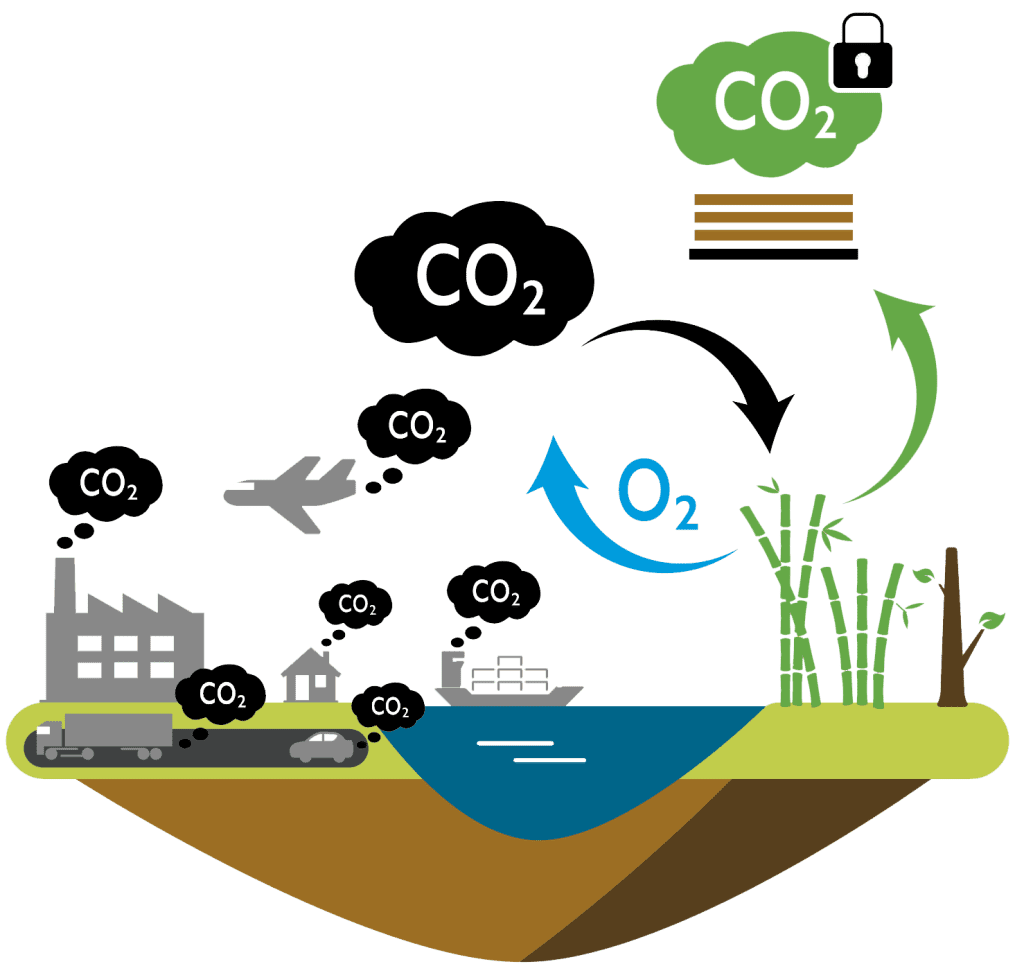
‘Bamboo’ is 100% natural, biodegradable, and has a growth rate that is unmatched by any other ‘timber’ material used in the creation of construction materials. It can be used for many products, is considered ‘rapidly renewable’ due to its’ harvesting cycle, and it is considered a ‘closed loop’ material (meaning, all the material that is harvested gets used in the creation of products or as a renewable fuel that provides heat and energy. Bamboo is very fast growing, has rapid CO² uptake, and has a high biomass accumulation. Bamboo forests can sequester 5-40+ tons of CO² per hectare per year (values dependent on species, climate, and harvesting cycle). Each ton of dried bamboo biomass stores approximately 1.8 tons of CO² equivalent. Due to the natural rhizomal regrowth of bamboo once harvested, it provides ongoing, continual carbon sequestration.
Our background with BAMBOO
- Been working with and developing bamboo products for almost 25 years
- Have significant hands-on manufacturing experience
- Have long-standing manufacturing partnerships
Sustainable Materials has been working closely in the product development and manufacturing of bamboo products for almost 25 years. We have significant technical expertise with the use of bamboo, specifically as it relates to lamination, stability, and the fabrication of products for the construction and decorative markets. We developed our own ‘sports flooring’, both for competitive sports (Gymboo Sport; pictured here, and installed in Gold’s Gym corporate office), as well as Group Exercise applications (Gymboo Float). We have deep manufacturing relationships covering the flooring, wall, and ceiling categories.

Join Our Community of Designers and Architects
Register below for your Trade Account and get your samples for free.