
Resources (Material): HEMP
HOME / Resources / Our Materials / Hemp
What Is HEMP?
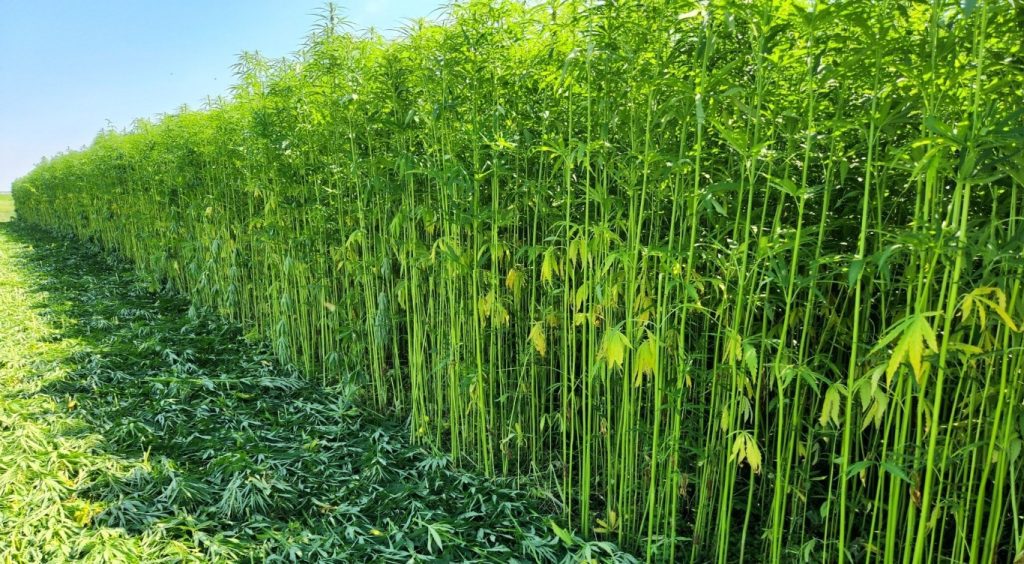
Hemp, or industrial hemp, is a plant in the botanical class of Cannabis sativa cultivars grown specifically for industrial and consumable use. It can be used to make a wide range of products, as is considered among the fastest growing plants on Earth.
How Is HEMP Harvested?
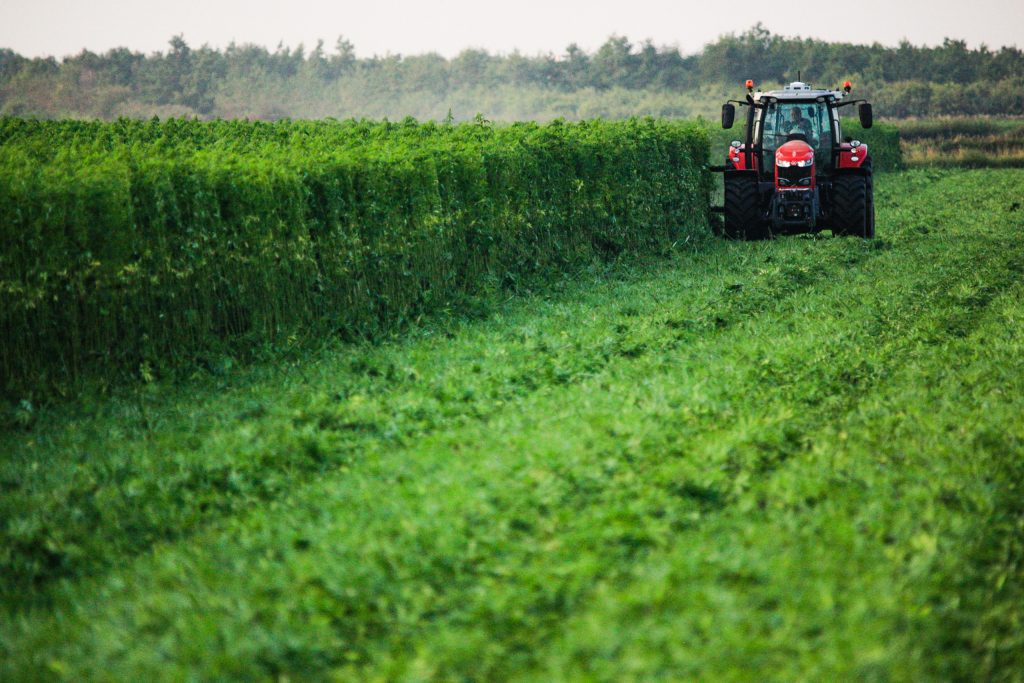
- Combine harvester, sickle-bar mower or similar
- 70-90 harvest cycle when used for fiber
- Stalks undergo ‘retting’ which breaks down pectin which binds hemp’s main components
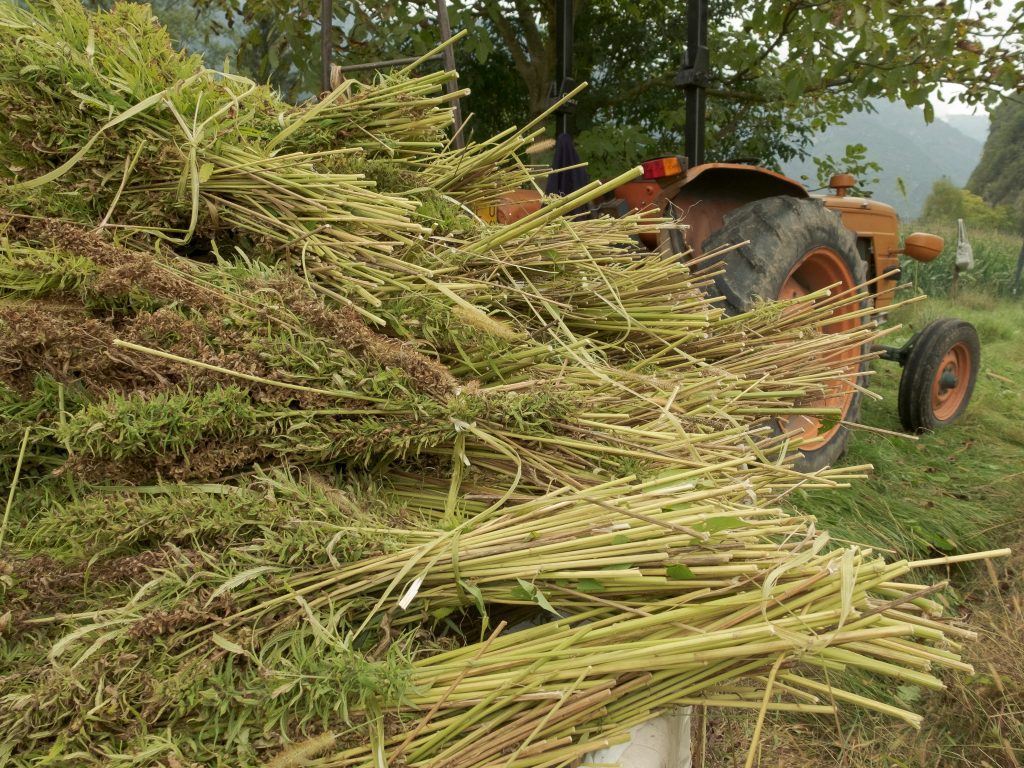
Hemp is harvested as a crop using a ‘combine harvester’ or other disc or sickle-bar mower. Harvesting is done at different times based on the goal of the harvest, and whether the intent is fiber, seed, or flower. When hemp is destined for use as fiber, which is how we use it, it is typically harvested 70-90 days after planting. The stalks are cut down and left on the ground to weather, through a process called ‘retting’. The process is simple, wherein the cut hemp is turned systematically every several days (for between 2-4 weeks). This process enables the pectin in the material to break down. The pectin acts as a binding agent that joins the wood-like interior of the stock (the ‘hurd’), with a fibrous exterior (the ‘bast’).
What Makes HEMP, as a Raw Material, Unique?
- It is an extremely versatile plant that provides a wide range of industrial, nutritional and medicinal outputs
- It is an extremely environmental crop (fast growth, no pesticides, helps soil structure, excellent carbon capture properties)
- For construction products, it is light-weight, mold-resistant, fire-resistant, insulative, and is considered ‘carbon-negative’
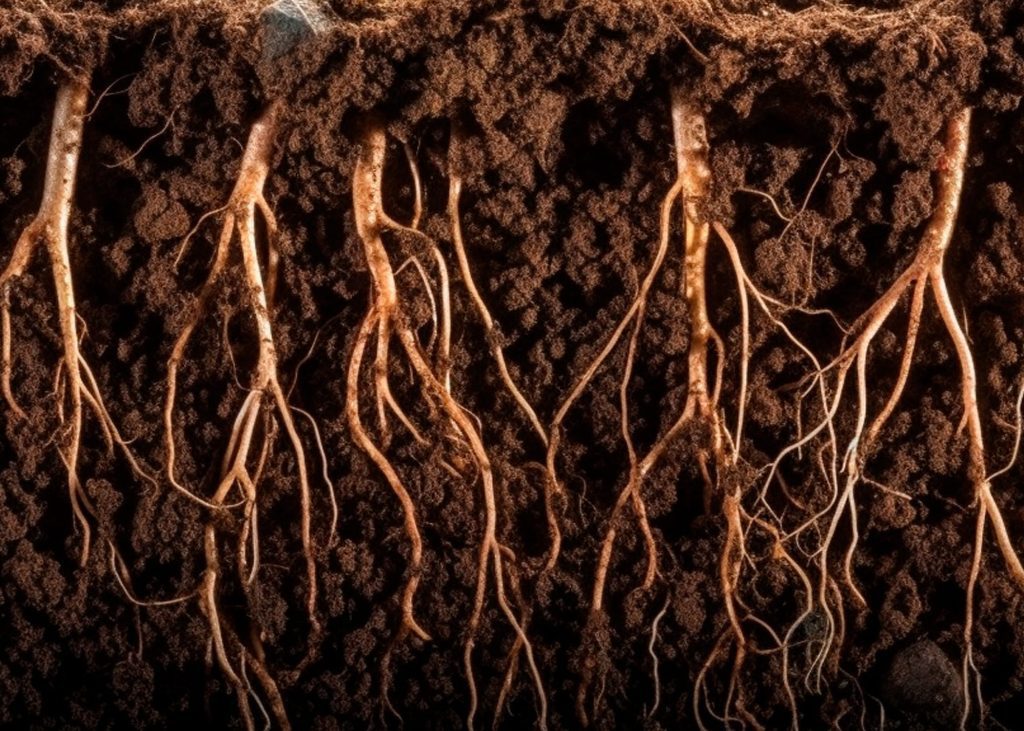
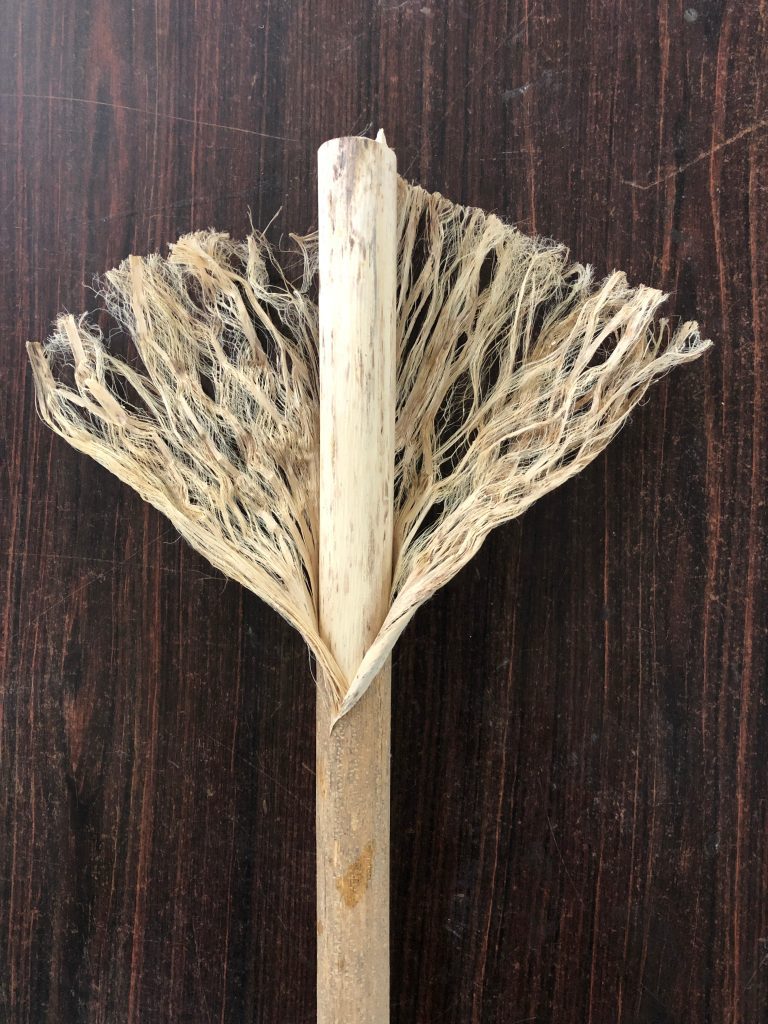
What makes Hemp so unique is how fast it grows, the fact that it does not require the used of pesticides or herbicides (due to its’ natural resistance to pests and weeds), the reality that it uses minimal water to grow, and it has deep roots that help aerate the soil, reduce erosion, and improve the morphology of the soil. Hemp can be used in crop rotation to help alleviate and regenerate depleted soils by returning nutrients back into the soil structure, while also removing heavy metals and contaminants from the soil. All of hemps’ components can be used: stalk fibers (composites, textiles, rope, etc.), Hurd material (paper, animal bedding, etc.), seeds (food, oil, cosmetics, etc.), leaves/flowers (cannabinoids, essential oils, etc.).
How Is HEMP Processed?
- Hurd and bast components are naturally separated through retting
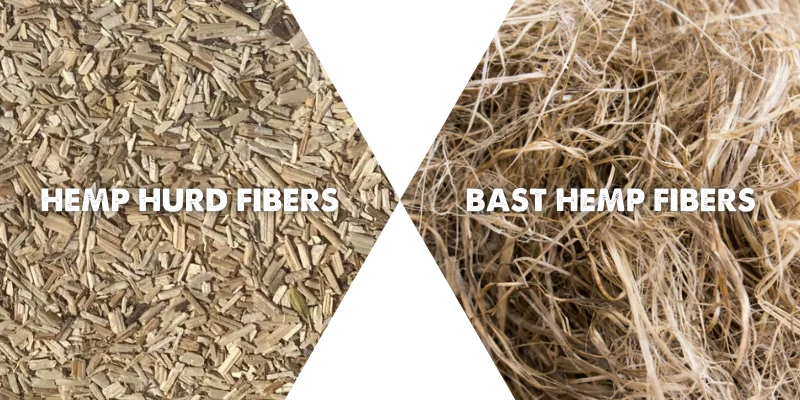
- Stalks are dried and baled and then are separated into ‘bast’ (outer fiber) and ‘hurd’ (woody inner core) material through ‘decortication’
- Based on the product being produced, subsequent processing occurs
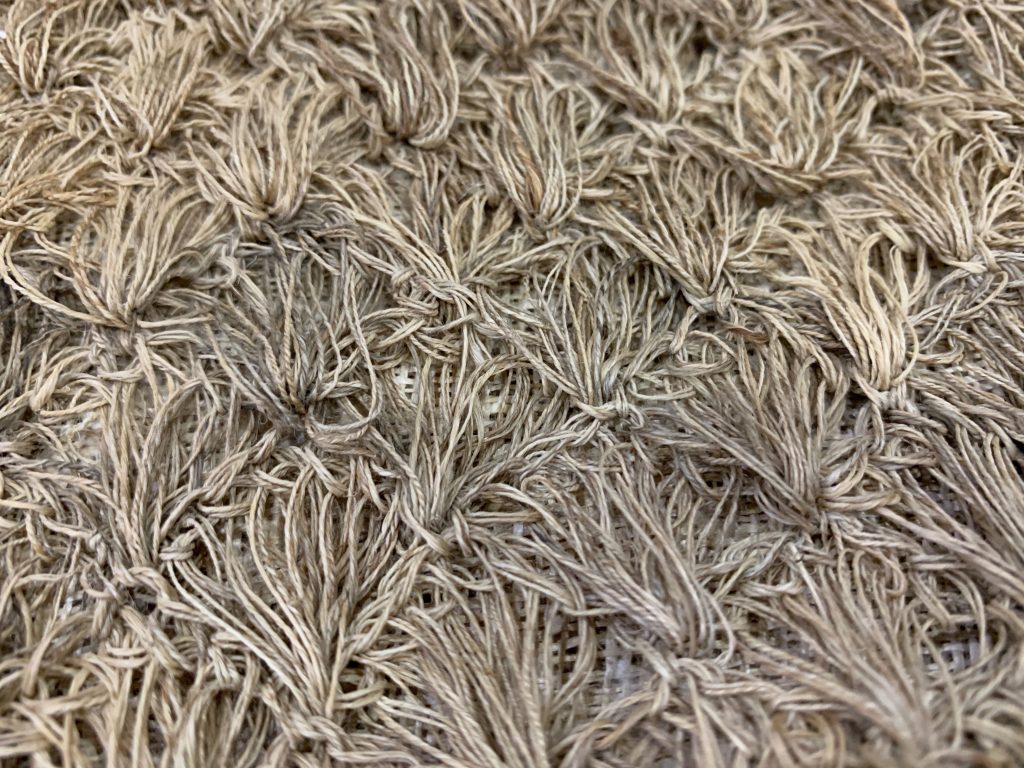
Hemp ultimately is processed in different ways based on how the hemp will be used (and in what product). The first step, when processing the hemp for fiber, is to separate the ‘bast’ fibers from the inner wood core material (called Hurd material) through a process called ‘retting’. This process can be done in the field by turning cut stalks periodically, or this process can be sped up by either water (soaking) or enzymatic (chemical) retting. The ‘retting’ process loosens and separates the fibers. Once separated, the stalks are dried, before being mechanically separated by a process called ‘decortication’ into the ‘bast’ (outer layer, long fibers) and ‘hurd/shiv’ (inner woody core). The bast fibers (the ones we use) can further be processed by ‘carding’ (separating, cleaning and aligning the fibers), ‘cottonizing’ (specifically for textile efforts), or ‘combing’ (creating long, uniform fibers). The Hurd material is typically ground and can be used for paper, animal bedding, and as a component in bioplastics.
Why Is HEMP Sustainable?
100% natural and biodegradable
Is a ‘circular’ material (all parts are used)
One of the most efficient carbon sequestering crops
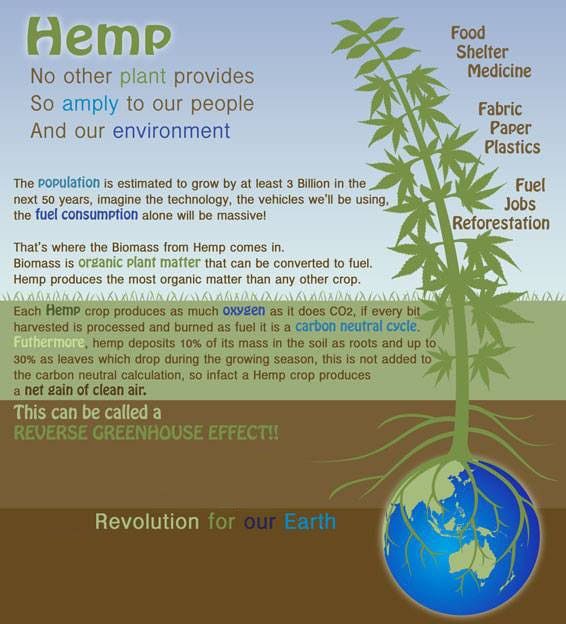
‘Hemp’ is 100% natural, biodegradable, and most products made with the material are also typically compostable. It is considered a ‘circular’ material, as every part of the hemp plant (seeds, stalks, leaves, and flowers) can all be used. Hemp is also considered carbon-negative’, as it absorbs and locks up more carbon than it takes to create products with it. Hemp is also one of the most efficient carbon-sequestering crops due to its fast growth (growth height of 15’), dense biomass (producing 10-15+ tones of dry biomass per hectare per crop), and short cultivation cycle (3-4 month/crop). Hemp has been shown to sequester 8-15 tons of CO² per hectare per 100-120 day growing cycle. Annual sequestration is much higher in warmer climates (where crops are processed twice a year), and has been shown to be 22-30+ tons/hectare/year.
Our Background with HEMP
- Firm belief in hemp’s sustainability
- Ability to use existing production techniques but with Hemp instead
- Interest in broadening our offering when better products can be created
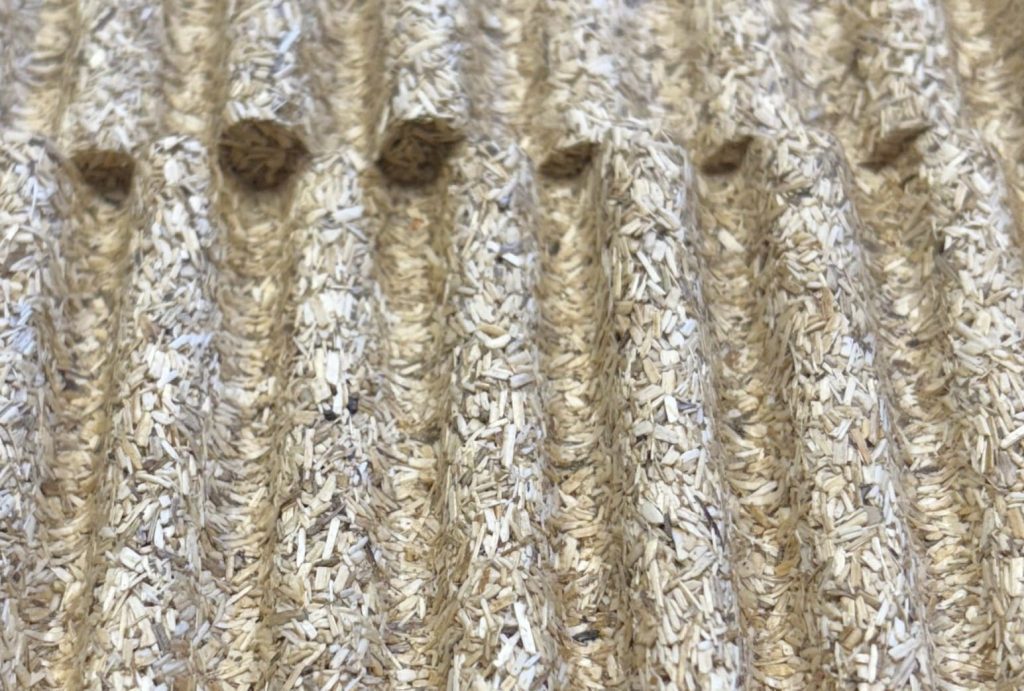
We (Sustainable Materials) are relatively new in our education and development into using hemp in the development of construction materials. A positive, and related, is that the hemp material lends itself exceptionally well to production methodologies we have worked with for decades using other sustainable inputs, like cork. The manufacturing methods we employ with hemp are similar, it is just understanding the science behind how the material operates in different conditions, via different products methodologies, and we have found that hemp outperforms cork in stability tests, ensuring that we can minimize product movement as it relates to expansion/contraction with regional and cyclic climatic changes.
Join Our Community of Designers and Architects
Register below for your Trade Account and get your samples for free.