Sustainable Materials

Resources (Material): WOOD

What is WOOD?

Wood is the hard, fibrous structural material that makes up the stems, trunks, and branches of trees and woody shrubs. It forms the framework that supports the plant, transports water and nutrients, and stores energy.

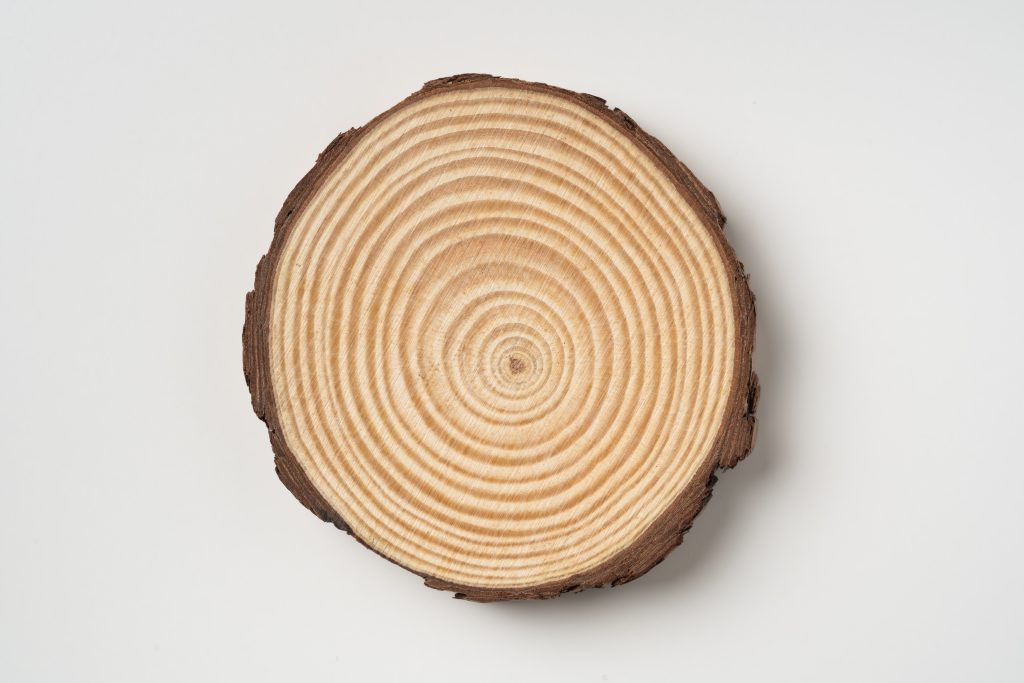
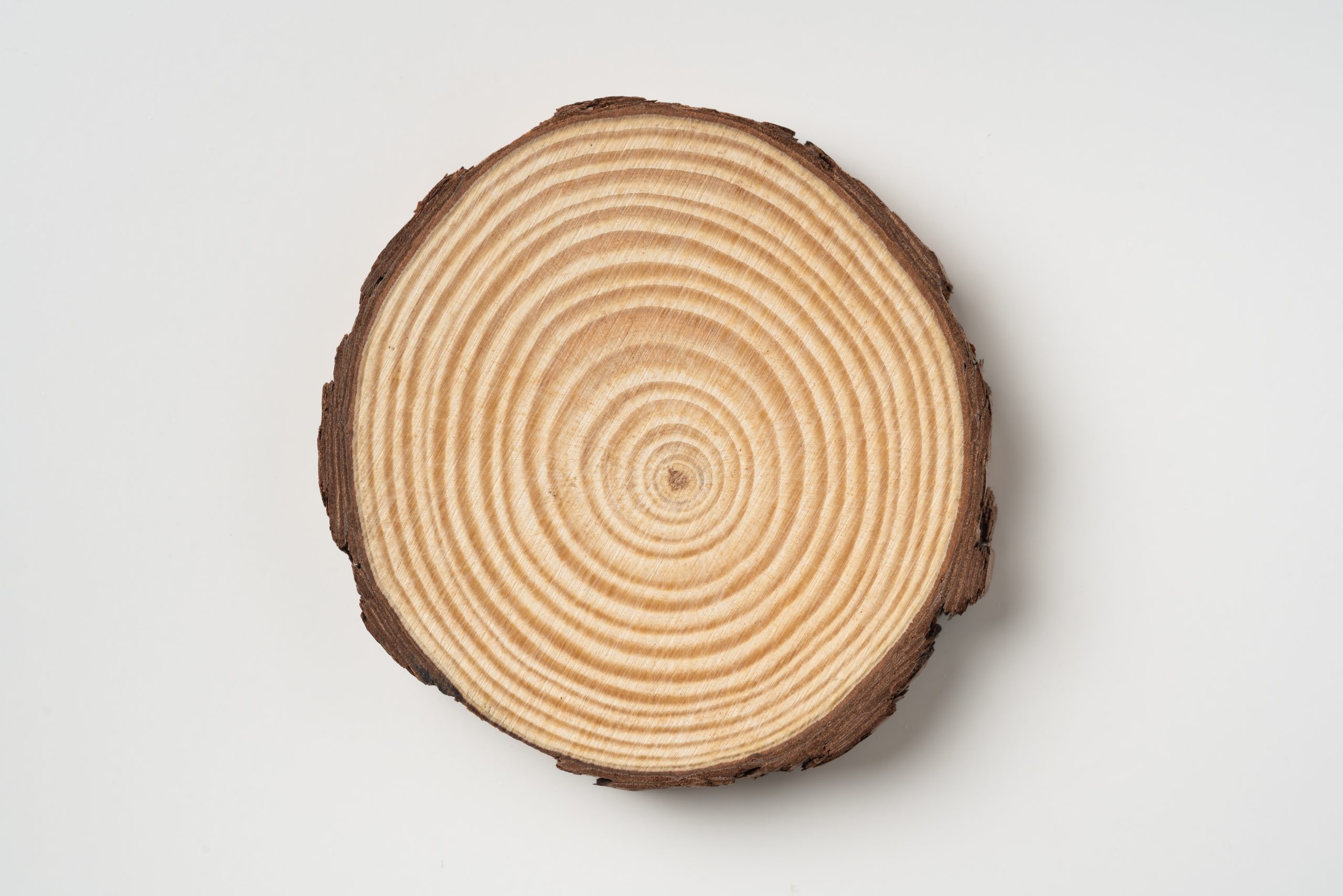
Wood is primary composed of cellulose (40-50%; which are long, strong fibers that give wood its strength and flexibility), Hemicellulose (20-30%; which surrounds the cellulose and provides structure and stability), Lignin (20-30%; a resin-like substance that gives wood its rigidity, compressive strength, and decay resistance), and Extractives (1-5%; typically oils and tannins that give wood its color, smell, and durability).  Wood is a structural tissue/material found as xylem in the stems and roots of trees and other woody plants. Wood tends to form growth rings that are lighter and less dense in the spring, and darker, slower growing and denser in the summer or early fall periods. 

How does WOOD grow?

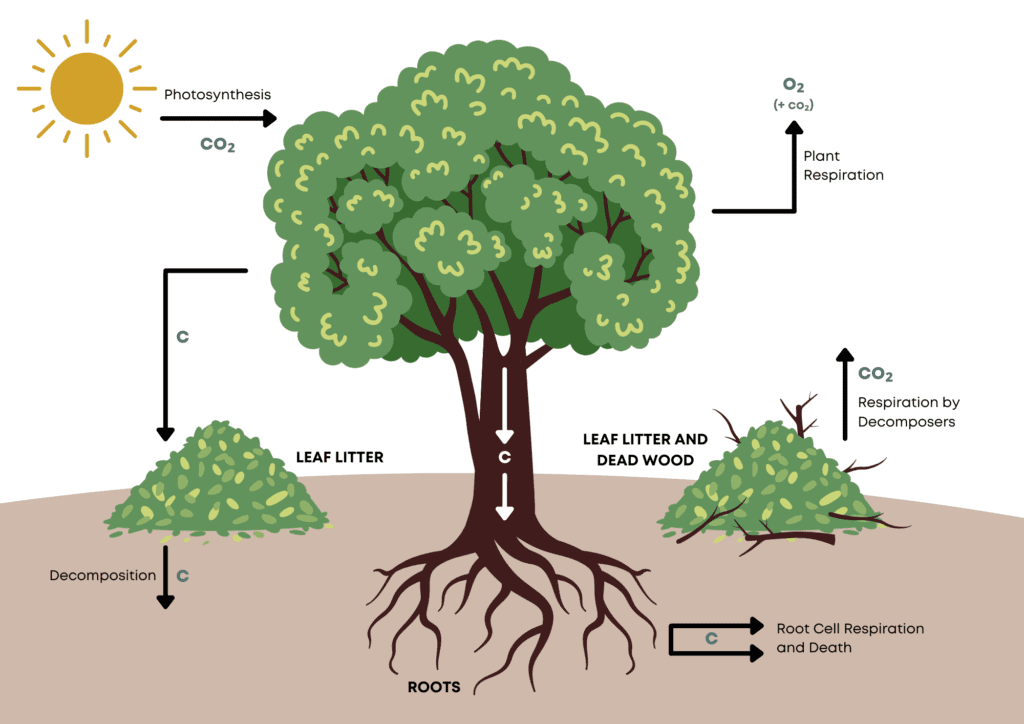
Tree growth starts with leaves.  The trees use sunlight to convert the Carbon dioxide (CO2) from the air, and water and minerals from the soil.  Under the outer bark is a thin layer of living tissue called the cambium, that produces new xylem (wood) on the inside, and new phloem (inner bark) on the outside.  Xylem becomes the wood that is used in products and production.  Newly form xylem becomes ‘sapwood’, and the older xylem becomes the darker, more structural ‘heartwood’.  Wood grows in layers, commonly referred to as growth rings, which occur on a yearly cycle.  Wood growth occurs vertically (at the tips of branches and roots), as well as in thickness (within the cambium).  As trees age, older sapwood becomes heartwood, which is typically the most valuable material within the tree. 

The harvesting frequency of ‘wood’ varies based on species, climate, soil morphology and other factors.  From seedling to final harvest, an accepted timeframe of growth is 30-100 years, though this varies on species, forest management plan, and intent.  For softwood, the harvesting cycle is typically 30-40 years, while hardwood is typically harvested between 60-80 years.  We only work with sustainably managed sources and materials, which highlight replanting to ensure forest health over time.
What makes WOOD, as a raw material, unique?

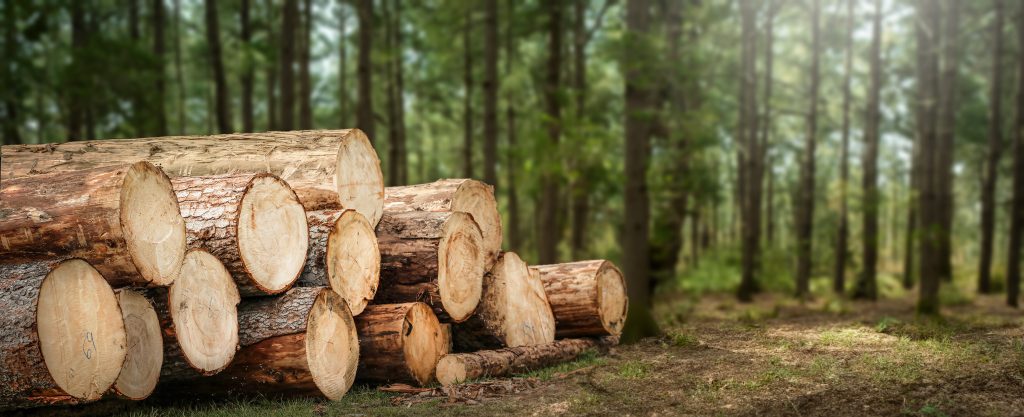
Nothing is hugely unique with wood, as it literally grows almost everywhere, and has been used for thousands of years, other than the properties it possesses, the applications for its use, and the fact that there are many species with different attributes and unique visual characteristics.  It is a low-embodied energy material that is much more environmentally sound than other ‘high greenhouse gas emission’ materials that are popping up as replacements for wood – like vinyl, plastic composites, and mass concrete.  Over the last several decades, in an attempt to ensure that the global forest reserves stay at a healthy level, differing ‘certification’ systems have popped up that are designed to ensure selective harvesting (and planting), that will allow this resource to continue and flourish (both as it relates to carbon sequestering and climate change, but also to ensure ‘supply’ for our future generations).  One such certification entity is the Forestry Stewardship Council, which we strive to use when available, as their program helps support ecosystems by helping maintain habitats, encouraging mixed species planting and the biodiversity within it, and are focused on avoiding clear-cut practices which rid areas of forest stands while degrading soil stability and creating problematic runoff.
How is WOOD processed?

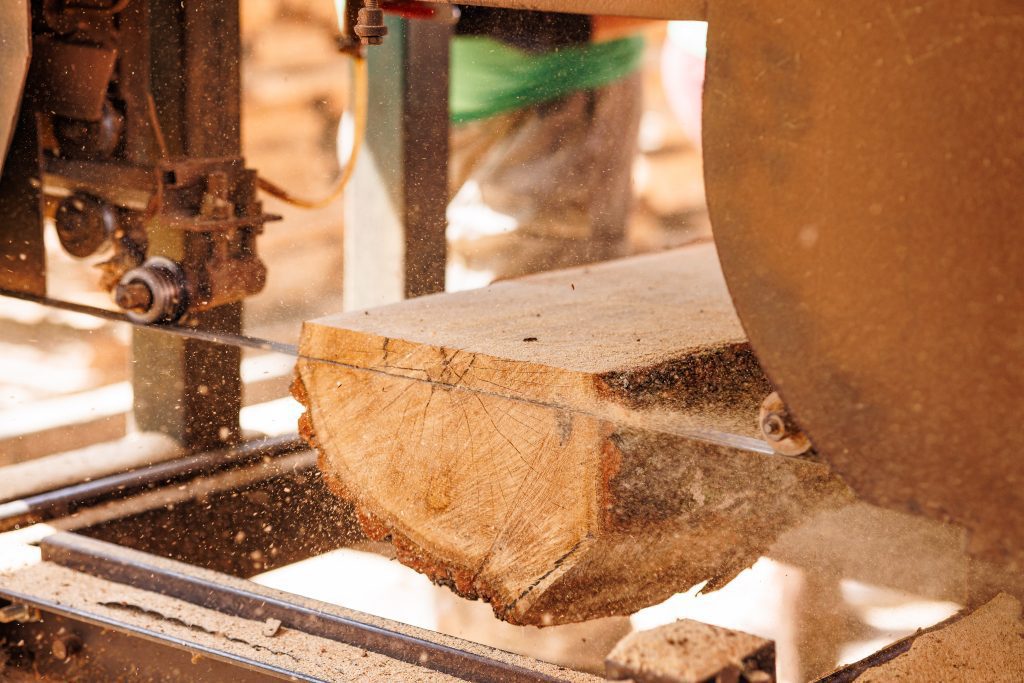
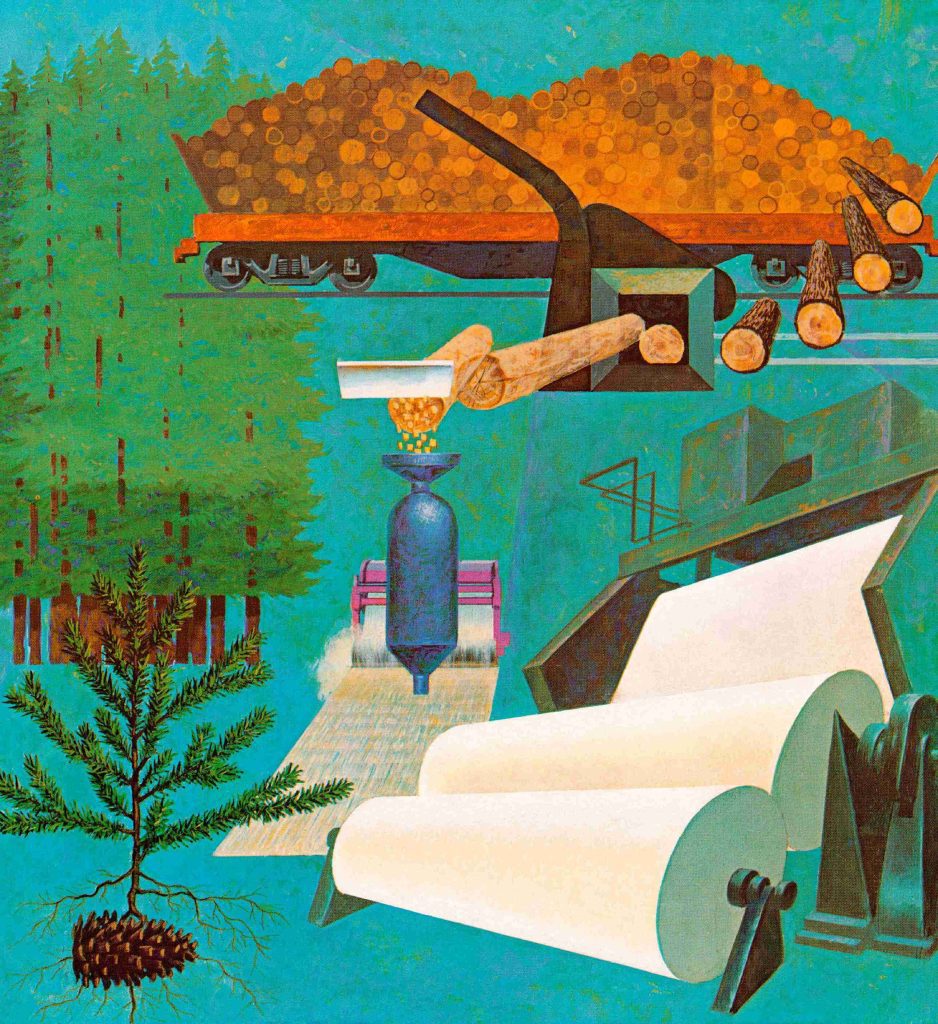
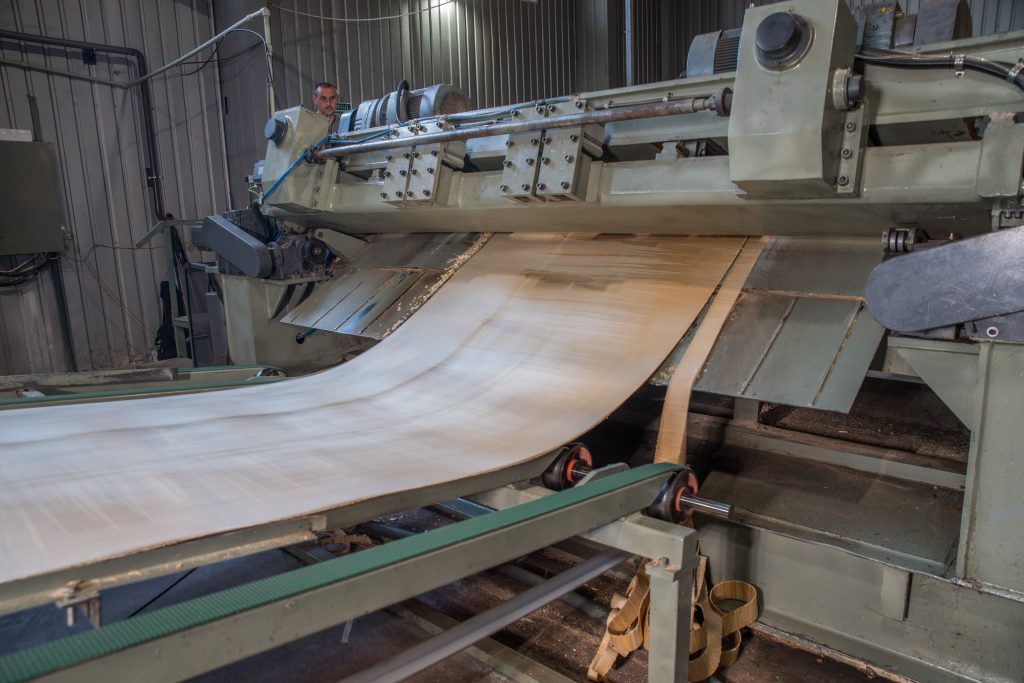
Depending on the product that the ‘wood’ goes into, the material can be cut into solid stock (ie: dimensionally cut solid material from a log), it can be veneered (logs are either rotary peeled, or ‘sliced’ from larger dimensional stock), and in some products, wood ‘dust’ is used as a composite or substrate layer (typically mixed with an adhesive).  Which material is used depends on the product being created, the intended use, and the aesthetic one is trying to achieve.

Why is WOOD ‘sustainable’?

Wood is renewable, regrows naturally, and is biodegradable

Wood stores carbon instead of releasing it

Wood has a much smaller environmental ‘footprint’ than many industrial materials.

‘Wood’ is very sustainable and is considered a circular material, but only when it is managed and used responsibly.  In this situation, wood is renewable, it can be reused, recycled, and downcycled (put into fiberboard and/or sued as a biofuel).  Being made of cellulose, hemicellulose and lignin, wood is completely biodegradable, as microbes, fungi, and insects can break down the material naturally.  Wood is also one of the most prolific carbon sequesters, due to the sheer volume of trees on our planet.  Sequestration rates vary based on wood’s growth rate, its’ density, and its longevity in use.  Softwoods grow faster and absorb more CO² in the earlier growth years, while hardwoods grow more slowly but reach a higher biomass, effectively storing more carbon over their lifetime.  Analysis has shown that 1m³ of oak stores approximately 1.1 tons of CO², while an equal amount of Pine (a softwood) stores approximately 0.9 tons of CO².  Ultimately, sustainably harvested softwood sequesters more carbon annually per hectare (due to the fast growth and forest density), than does a mixed hardwood forest, but on the flipside, a mixed hardwood forest supports greater biodiversity which has its own benefits.

Our background with WOOD

Throughout the years, we have focused on sustainably sourced wood, mainly with flooring.  We have a deep rolodex of ‘FSC’ manufacturers who we have worked with, and can source and supply solid wood, engineered wood, and customized components for wall applications and millwork projects.  We also own a shared patent on the creation of reconstituted wood using furniture by-product veneers (see Strandwoven TIMBER).