
Resources: ACCLIMATING
HOME / Resources / Acclimating
Acclimating refers to the process by which natural materials like cork, wood, or recycled composites, adjust to the environmental conditions of the installation space. It’s the path to achieving equilibrium, where the material’s moisture content stabilizes relative to its surroundings.
Why Acclimating Matters
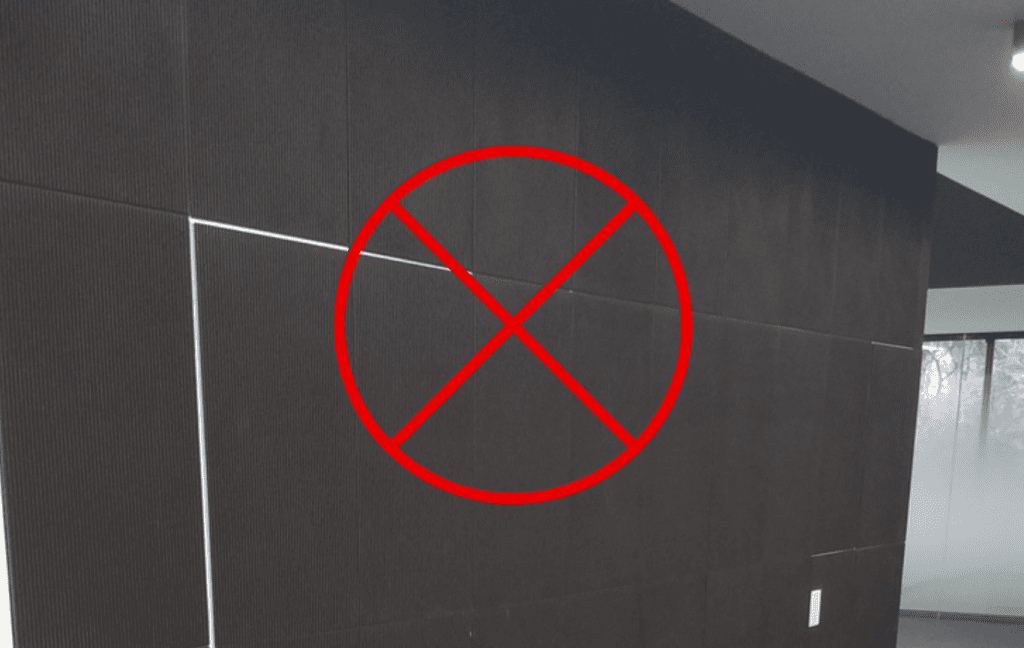
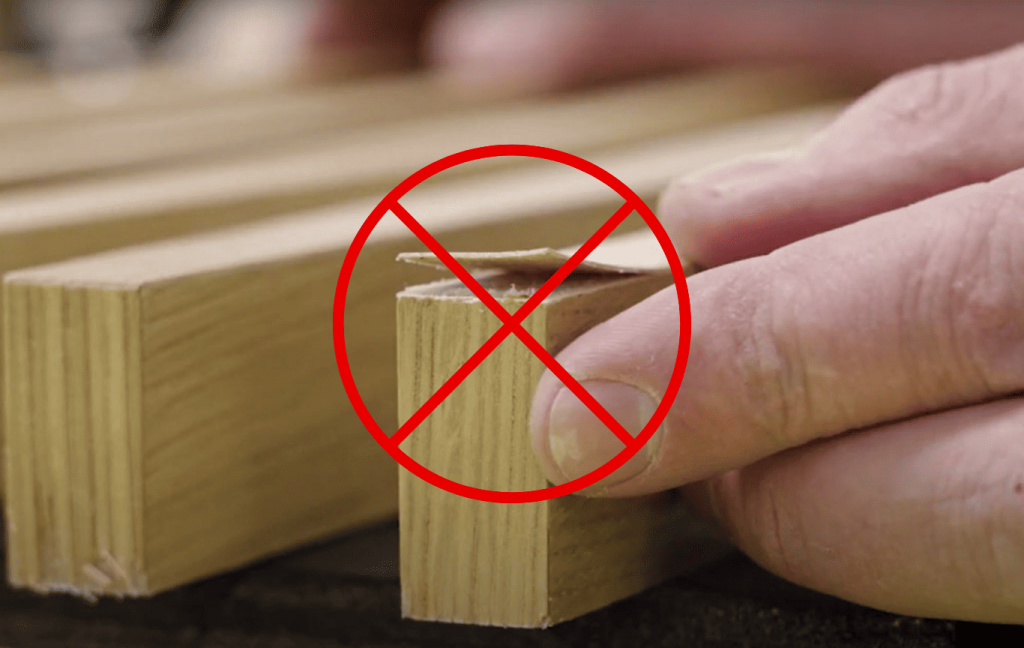
When materials are not acclimated, they continue to shrink or expand post-installation, which can result in warping, gaps, or compromised adhesion. Proper Acclimating:
- Minimizes movement caused by moisture imbalance.
- Extends product life and preserves aesthetics.
- Supports warranty compliance and installation warranties.
Factors That Influence Acclimating Time
Several variables affect how long materials take to stabilize.

Site Conditions
Temperature and relative humidity in the space.

Material Moisture Content
The initial moisture level of the product.

Acclimating Method
Packaging and airflow impact efficiency.
Acclimating Consideration for Our MATERIALS
All natural materials are susceptible to movement, either via shrinkage or expansion, when the material undergoes moisture content changes, often tied to temperature and relative humidity. Here is some additional information as it pertains to our raw materials, how they handle moisture changes, and general recommendations for sufficient acclimating.
Cork is made up of tightly packed, honeycomb-like cells filled with air, providing its well-known elasticity and lightweight nature. Each cork cell has thin, flexible walls which can contract and slightly collapse when moisture is lost. This structural composition allows cork to shrink as the gas or liquid within the cells diminishes, reducing the overall volume. Conversely, cork can swell if it absorbs moisture. Products made from ‘cork’ tend to be in limited size/format to counter it’s known movement, Though the moisture content of our cork materials is controlled during production and the size/format of the product(s) is diligently determined cork products still need to be allowed to come to the equilibrium conditions of the space they are going into. If they don’t (at least in most of the US), the material can shrink slightly, causing the seams between the products (planks or tiles) to be more visually present.
We recommend at least 72 hours of proper ccclimating (unpackaged, in the space it will be installed, and the space is being maintained at operable conditions), More is better/safer.
Bamboo is a natural, hygroscopic material, meaning it absorbs and releases water from the environment. Like other natural materials, it can swell when it gains moisture and shrinks when moisture is lost.
Though bamboo being a natural material is susceptible to movement, by the time it is processed (which involves several drying stages – part of the pre-acclimation steps during production), and fabricated into the products we offer from it is relatively stable, with a rate less than for most ‘wood’ species.
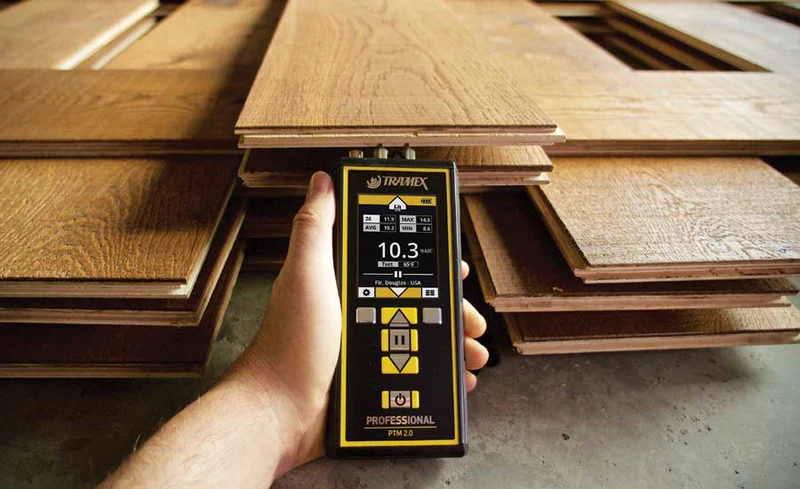
We recommend at least 72 hours of proper acclimation (unpackaged, in the space it will be installed, and the space is being maintained at operable conditions) for the CoreBOO Wall and Ceiling products. For the Millwork and Flooring products, to accurately equalize the material, one should use a moisture meter to check ‘relative readings’ to ensure the variance between materials is less than 2% (note: calibrate ‘species’ on using a moisture meter to ensure relative measurements are meaningful). More is better/safer.
Hemp fibers are stiff, dense, and hygroscopic, meaning they absorb and release water from the environment. Like other natural materials, it can swell when it gains moisture and shrinks when moisture is lost.
Though hemp as a raw material can be susceptible to movement, the processing used to strand, combine and mold the hemp fibers in the way that our production methodology employs, the HempSHAPES material is very stable (much more stable than an earlier rendition of a similar product using molded cork granules).
We recommend at least 72 hours of proper acclimation (unpackaged, in the space it will be installed, and the space is being maintained at operable conditions), More is better/safer.
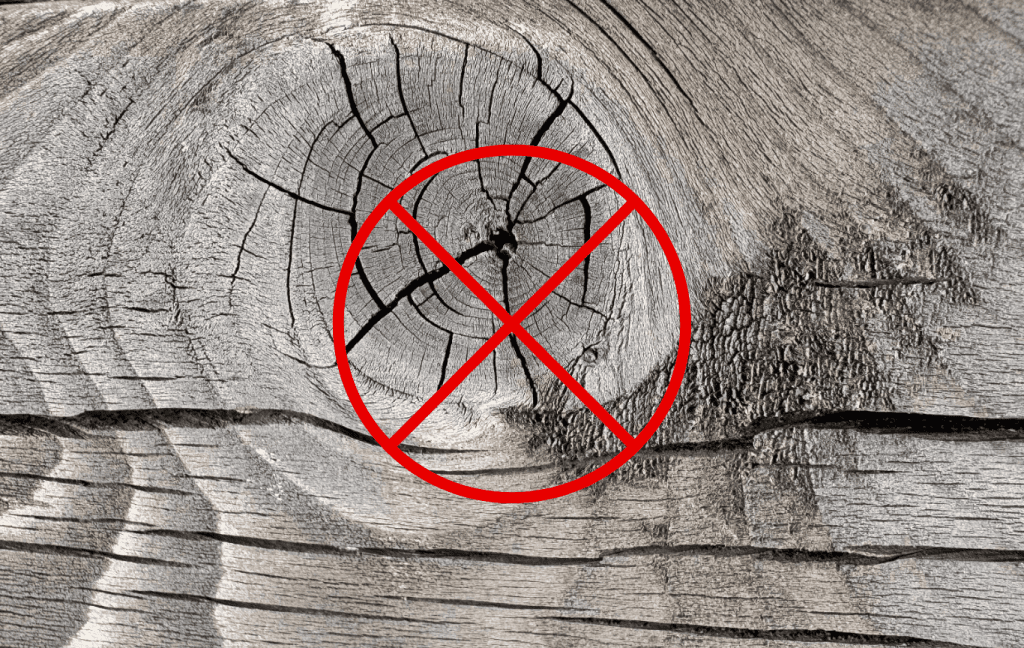
Wood can move because it contains moisture, which moves in and out of the wood cells, causing dimensional changes. When wood dries and loses moisture, the cell walls contract, leading to shrinkage (which is not uniform in all directions). Longitudinally (all the grain) shrinkage is minimal (typically less than 1%), while in the radial and tangential directions movement is more pronounced. Though species, and whether it is softwood or hardwood matter, seasonal humidity fluctuations are what cause wood products to either gain or lose water, affecting dimensions.
Though all our wood products are pre-dried and made to have a stable internal moisture content, in addition to acclimating the material to equilibrium, allowing for some inherent expansion and contraction during design (and built into the layout) reduces the risk of problems.
We recommend at least 72 hours of proper acclimation (unpackaged, in the space it will be installed, with the space maintained at operable conditions), though to accurately equalize the material, one should use a moisture meter to check ‘relative readings’ to ensure the variance between materials is less than 2% (note: calibrate ‘species’ on using a moisture meter to ensure relative measurements are meaningful). More is better/safer.
Mineral Aggregate by the nature of it being a stone and/or mineral based composition is extremely stable and doesn’t undergo the movement that ‘cellular’ natural fiber materials do. Out of general precautions, as occasionally our mineral aggregate products are used on wooden substrates or maybe the design has our materials bordered by wood (which may not be acclimated to the installation space), we tend to suggest acclimating for a short period to take this into account.
We recommend at least 24 hours of proper acclimation (unpackaged, in the space it will be installed, and the space is being maintained at operable conditions).
See individual Installation Instructions under Product Details for specifics on each product!
Verifying Equilibrium
The most reliable test of acclimating is measuring moisture content over time. Use a moisture meter such as a Delmhorst device calibrated for your material (e.g., oak vs. Douglas fir) and chart daily readings. When the moisture change levels off, the material has reached equilibrium.
Understanding Material Behavior
Natural materials are hygroscopic, they absorb or release moisture based on ambient humidity:
In dry conditions, they shrink.
In humid conditions, they expand—causing visible shifts like gaps or swelling.
Properly acclimated materials maintain dimensional stability and preserve installation integrity.
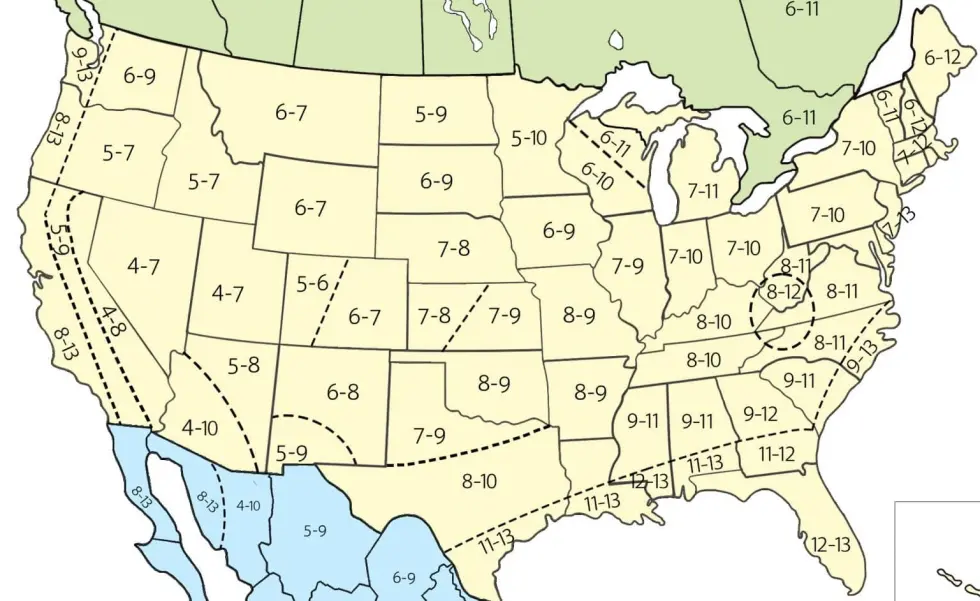
The map illustrates the average moisture content for interior wood products across the United States. Keep in mind that actual micro-climate conditions can differ within the same region, and seasonal humidity changes may cause natural fluctuations in wood moisture levels.
Join Our Community of Designers and Architects
Register below for your Trade Account and get your samples for free.