
Sustainability in Interior Design & Architecture
True sustainability in building materials goes beyond just being labeled as ‘eco-friendly.’ At our core, we believe sustainable design should focus on three essential principles:
Renewable & Low-Impact Sourcing
Using natural materials that regenerate quickly and require minimal energy to produce.
Health & Indoor Air Quality
Prioritizing low-VOC, non-toxic adhesives and finishes that enhance occupant well-being.
Longevity & Low Maintenance
Designing products that stand the test of time with minimal upkeep and reduced environmental impact over their lifecycle.
Our Approach to Sustainable Sourcing
Our product selection is guided by these values, ensuring that every material we offer supports a healthier, more sustainable future. We focus on rapidly renewable resources like cork and bamboo, as well as responsibly harvested or reclaimed wood—all chosen for their durability, environmental benefits, and contribution to carbon sequestration.
CORK: A Renewable Marvel
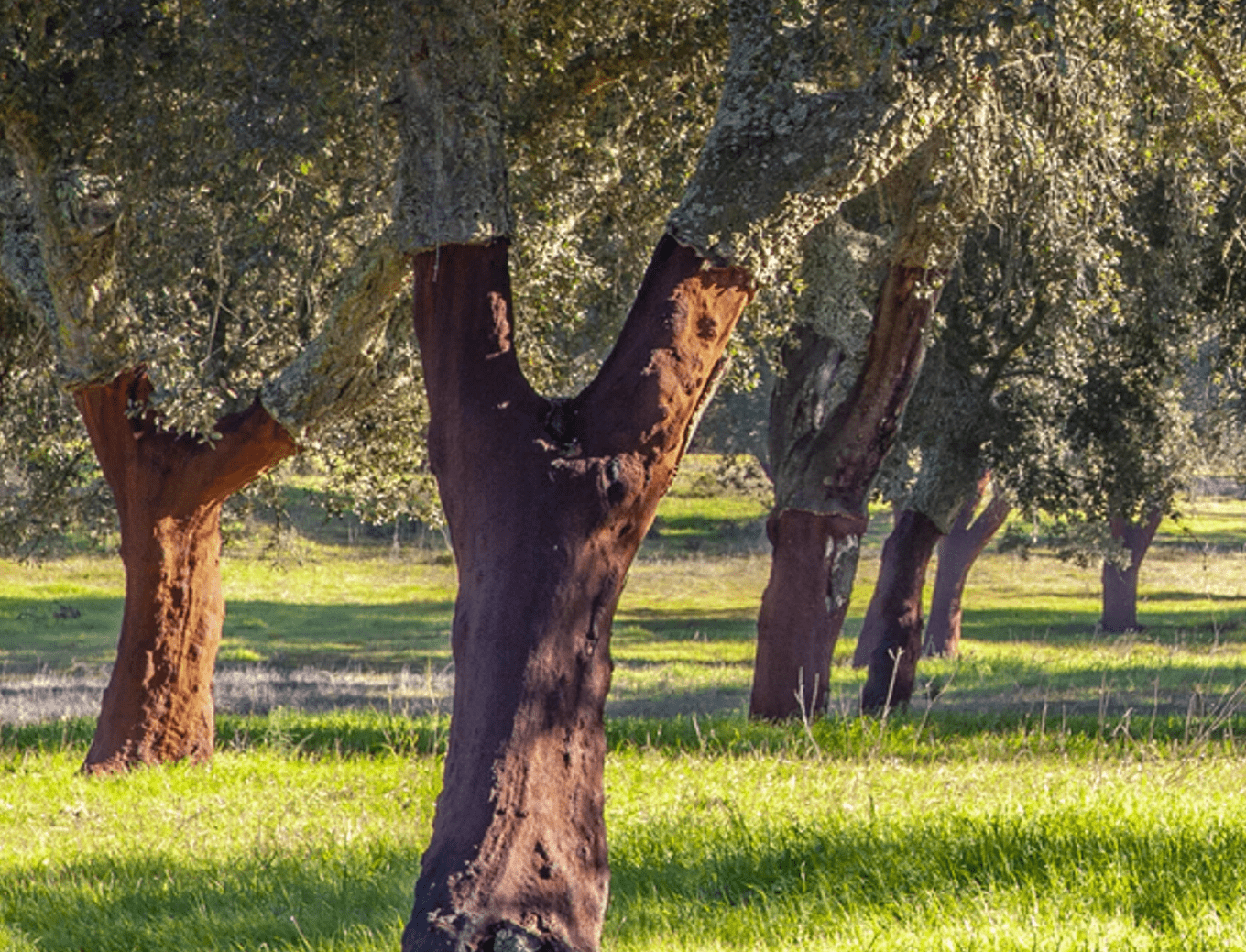
Sourced from long-standing cork plantations in the Mediterranean, cork is one of the most sustainable materials available. Unlike traditional tree harvesting, cork trees are never cut down—only their bark is harvested every nine years, allowing the tree to regenerate naturally. This process can continue for centuries, ensuring a closed-loop system with minimal waste.
In our products, we utilize every part of the cork tree: from granulated bark molded into sheets, to raw slabs showcasing its natural texture. With its low carbon footprint, renewability, and insulating properties, cork is a standout material for sustainable interiors.
BAMBOO: Fast-Growing & High-Performance
Bamboo is a design-forward solution that offers both strength and sustainability. Unlike hardwood trees that take decades to mature, bamboo grows up to 80 feet in just five years and regenerates from the same root system after harvesting. This rapid regrowth makes it an exceptional carbon sink, helping reduce atmospheric CO2 levels.
Beyond its sustainability, bamboo is naturally durable, moisture-resistant, and incredibly versatile, making it ideal for modern interior applications.

HEMP: From Crop to Décor
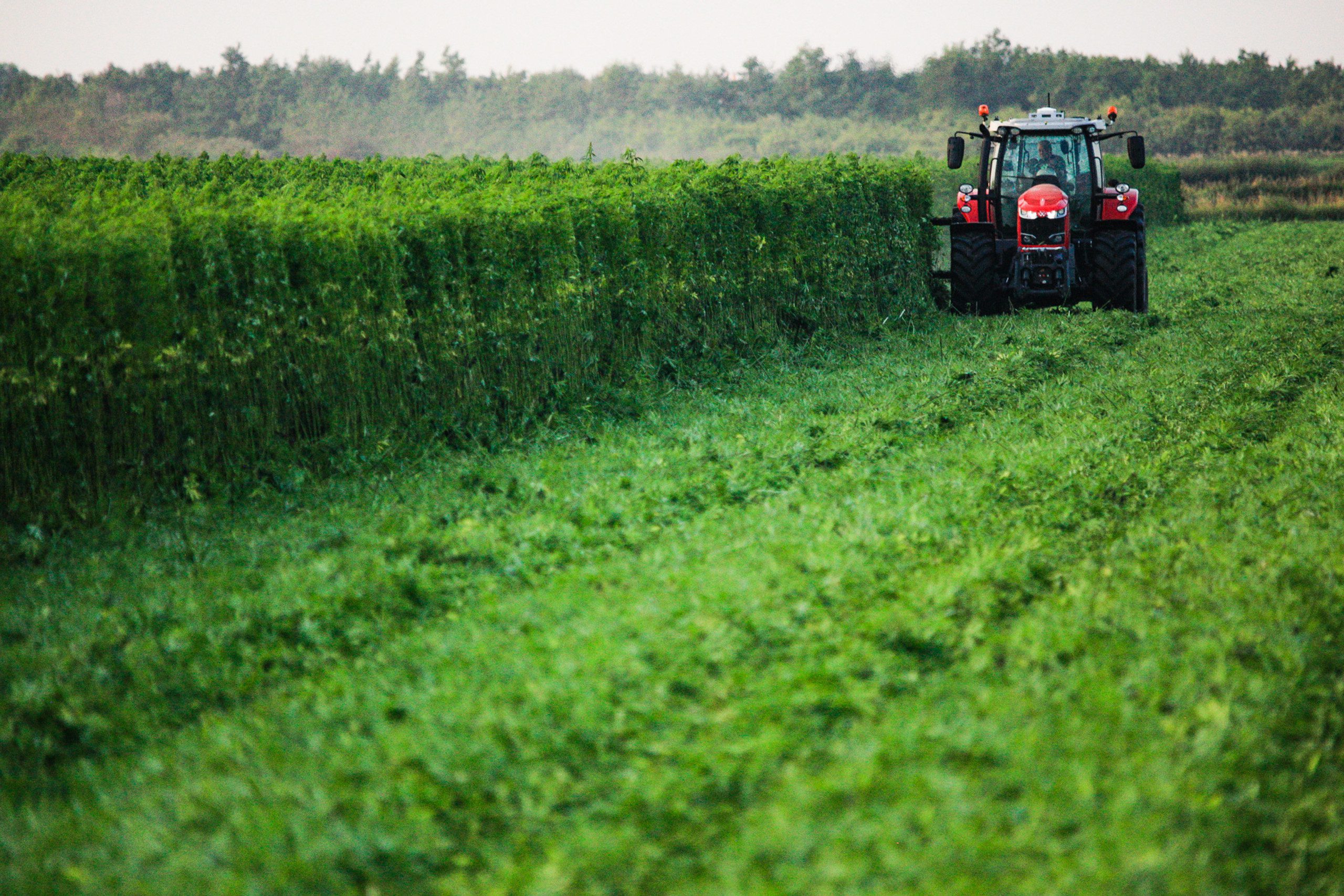
One of the most rapidly renewable crops that is commercially farmed, Hemp has many uses ranging from textiles and medicine to cosmetics and décor. With a harvesting cycle of between 70-120 days, hemp is a poster child for being a ‘circular’ material (all parts get used). With multiple harvests possible per year, its’ ability to sequester carbon is literally unmatched.
We employ the use of the ‘bast’ fibers in our products. The long fibers lend themselves perfectly to molding and compression, resulting in homogenous material that is not only extremely stable, but also biodegradable. And, by infusing color into the matrix, our HempSHAPES products give sustainable design a ‘pop’.
MINERALS: Design with Sustainability in Mind
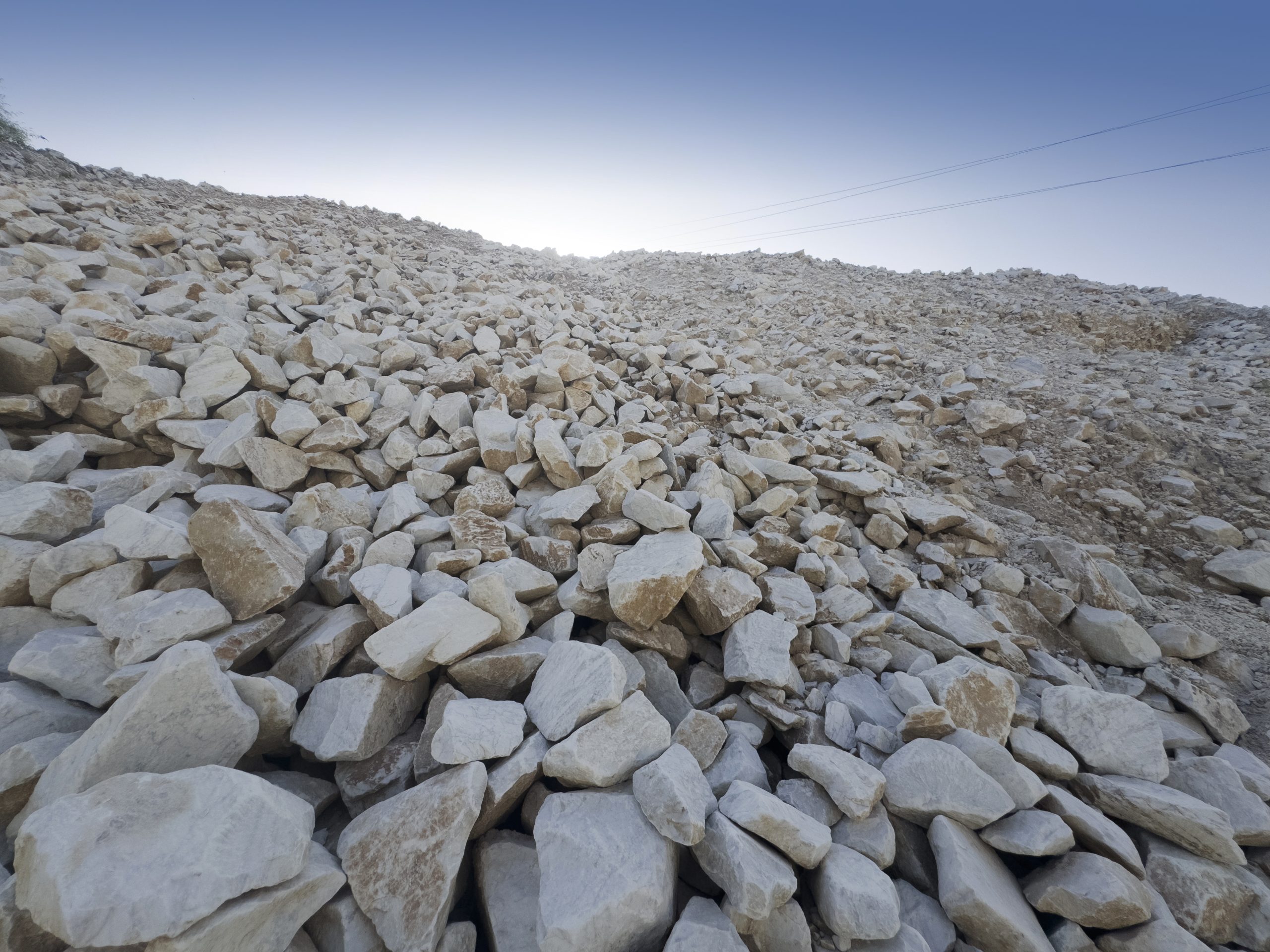
Our focus in using post-industrial minerals is to provide extremely durable and technical products that look like other products/materials (like concrete), but do so in a way that creates less CO² emissions, has lower energy usage, and is provided in decorative formats that are costly to produce in ‘in-situ’ installations.
Using 90% recycled input and creating products that are a literal ‘shell’ of what they replace (material wise), the ‘sustainability’ value is obvious. Going one step further, ensuring that the energy that is used is sourced renewably (between 80-100% comes from PV energy), ensures that typically non-renewable products have a basis of renewability.
WOOD: Timeless & Responsible
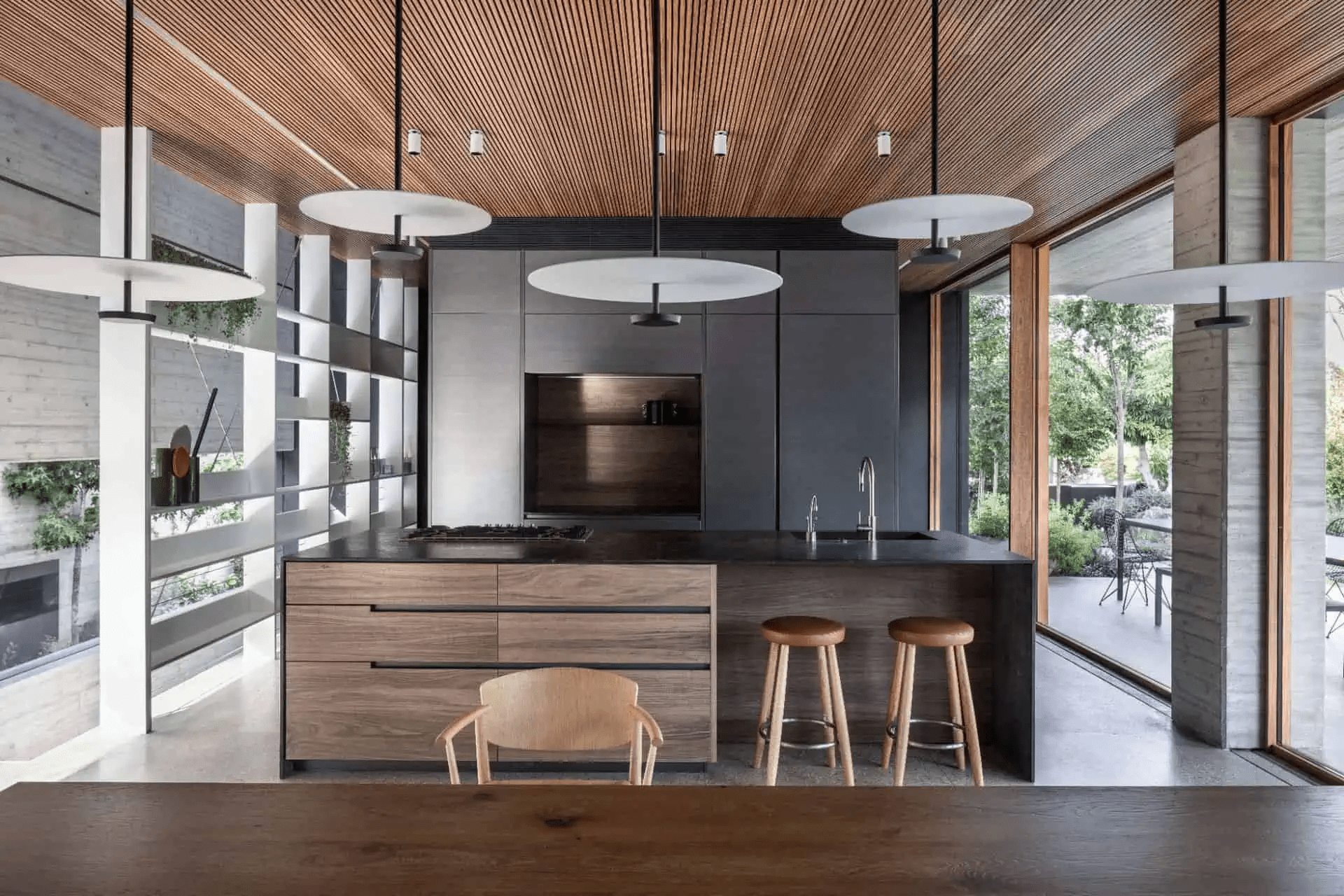
Wood, when responsibly sourced, remains one of the most durable and climate-positive materials for interiors. Though it sequesters less carbon than bamboo or cork due to slower growth, properly harvested wood is biodegradable, long-lasting, and provides natural climate buffering benefits.
We prioritize sustainably harvested and reclaimed wood, ensuring that each panel, slat, or plank contributes to environmental preservation rather than depletion.

Materials We Don't Use & Why
Sustainability isn’t just about choosing the right materials—it’s also about avoiding those that harm both people and the planet. Many low-cost, mass-produced materials common in interior design have significant downsides.
While these materials may seem cost-effective in the short term, they often require frequent replacement, contribute to indoor air pollution, and have a high environmental cost. Over the lifespan of a building, sustainably designed materials offer better durability, lower maintenance costs, and a healthier indoor environment.
PVC & Vinyl
High levels of off-gassing, toxic byproducts, and environmental persistence.
Formaldehyde-Based MDF & Particleboard
Can release harmful VOCs, negatively impacting indoor air quality.
Acrylic-Based Solid Surfaces
Often petroleum-derived, requiring high-energy production processes and generating significant non-biodegradable waste.
Sustainability as a Standard, NOT a Trend
At our core, we believe that natural materials provide the highest environmental value while delivering exceptional performance. By prioritizing renewable resources and responsible production, we aim to set a new standard for sustainability in interior design and architecture—one where beauty, functionality, and environmental responsibility go hand in hand.
Join Our Community of Designers and Architects
Register below for your Trade Account and get your samples for free.