
The Thrill Behind Modern Gambling and Its Impact on Society
The Evolution of Gambling in the Digital Age
Modern gambling has undergone a dramatic transformation over the past few decades. The rise of the internet has ushered in a new era, where traditional casino games can now be played from the comfort of one’s own home. Online platforms have made a variety of games, including poker, slots, and sports betting, accessible at any time of day or night. This convenience has attracted a diverse audience, ranging from casual gamers to seasoned veterans, ultimately changing how society views and participates in gambling.
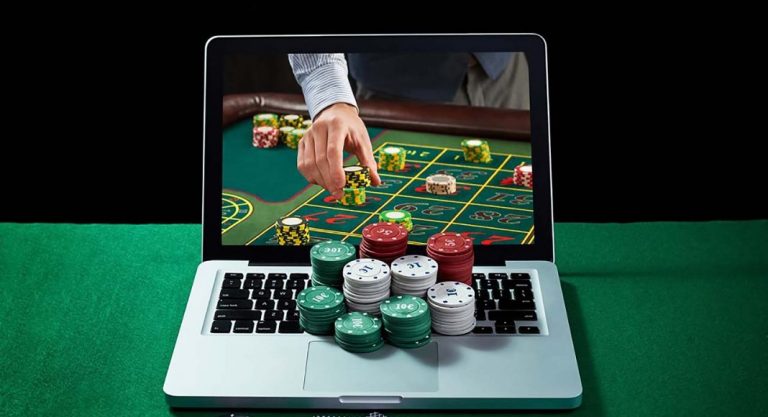
The advent of mobile technology has further enhanced the gambling experience, allowing players to place bets on their smartphones or tablets. This has not only increased participation rates but has also created a culture where gambling can happen anywhere—from a crowded train to a quiet café. Players are now more engaged than ever, especially with the rise of real gambling apps, which provide a seamless betting experience. The gamification of these platforms, with rewards systems and interactive features, keeps users engaged and keen to return, revolutionizing modern leisure activities.
The Psychological Appeal of Gambling
The allure of gambling can be attributed to several psychological factors that activate the brain’s reward system. The thrill of risk-taking combined with the potential for financial gain creates an exhilarating experience. For many, placing bets evokes feelings of excitement and anticipation, as each game unfolds with a degree of uncertainty. This psychological rush can become addictive, where individuals may chase the high by increasing their wagers or playing longer than intended.
Moreover, the social aspects of gambling contribute significantly to its appeal. Online and offline environments allow players to connect with one another, share experiences, and even compete against friends or strangers. The community built around gambling can lead to a sense of belonging and camaraderie, drawing people deeper into this lifestyle. However, this social connection can sometimes blur the lines between healthy competition and problematic gambling, leading to potential negative consequences for some individuals.
The Societal Impacts of Modern Gambling
While many enjoy gambling as a form of entertainment, its societal implications cannot be overlooked. Increased accessibility has led to a surge in gambling-related issues, including addiction, financial distress, and family problems. Many governments have introduced regulations and responsible gambling initiatives to combat these problems. However, the effectiveness of these measures remains under scrutiny as more individuals find themselves drawn into the world of betting.
Additionally, modern gambling has significant economic benefits that extend beyond individual players. It contributes to job creation, tourism, and substantial tax revenues for local governments. As states worldwide reconsider their stances on gambling, the debate over its benefits versus drawbacks continues to be a hot topic. The challenge remains to strike a balance where the economic advantages can be harnessed without sacrificing the well-being of individuals and families.
Understanding Gambling’s Digital Future
The future of gambling is poised for further evolution, particularly with advancements in technology such as virtual reality and blockchain. These innovations promise to enhance user experiences, making them more immersive and secure. Virtual reality could eventually allow players to experience a casino environment without leaving their homes, while blockchain technology can provide transparency in transactions and encourage trust in online gambling platforms.

As we navigate this digital transformation, it is crucial for society to focus on responsible gambling practices. Encouraging education around the risks associated with gambling and the development of tools that promote safe gaming habits will be vital. This proactive approach can help individuals enjoy the thrill of gambling while mitigating its potential adverse effects, ensuring that modern gambling becomes a sustainable form of entertainment that benefits society as a whole.